
Myntra ads for sellers can turn a good fashion listing into a best-seller — or quietly burn your margin in a week. This guide is part of our Myntra seller resource hub, and it sits at the decision stage: you already have live styles, some organic orders and a question in your head — should I start paying for visibility, and how do I avoid wasting money?
At Uniqs Studio, our Delhi studio has spent 9+ years shooting catalogues for 500+ D2C brands and marketplace sellers, and we see the same pattern again and again: sellers switch on Myntra ads before their images, size stock and unit economics are ready. In this guide, Satyam explains how Myntra product listing ads (PLA) and premium placements differ, how CPC bidding works, how to set a budget from your break-even ROAS, and the 9 rules to fix before you spend.
Key takeaways
The short version of Myntra ads for sellers, in five points:
- PLA is self-serve and charged per click; premium placements are bigger, brand-level campaigns usually planned with Myntra’s ads team.
- Your break-even ROAS decides your budget — calculate it from margin after commission, shipping and returns before you bid.
- Images are your ad creative. A weak first image means low click-through, which makes every click cost more.
- Start with auto targeting, then move proven search terms into keyword campaigns and protect your brand name.
- Advertise a small set of proven styles with full size depth, not your whole catalogue.
What are Myntra ads for sellers and how do they work?
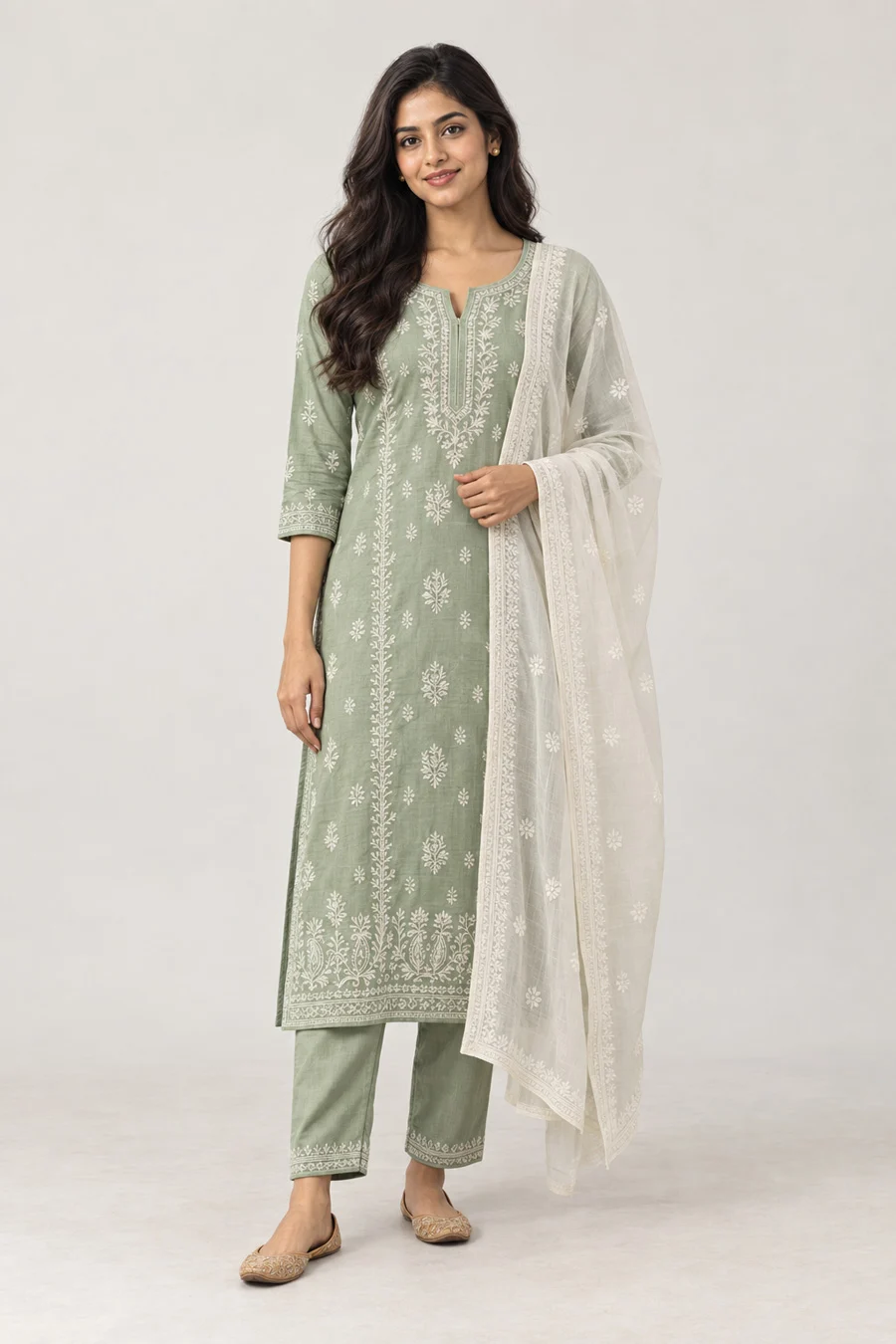
Myntra ads for sellers are paid placements that push your styles higher in search results, category listings and product pages, marked as sponsored. The most common format, product listing ads (PLA), is self-serve inside the Myntra Partner Portal and works on a cost-per-click model: you pay only when a shopper taps your ad.
Think of an ad as rented shelf space at eye level. Myntra still decides whether your product is shown, using your bid and how relevant and attractive your listing is to that shopper. That is why two sellers with the same bid can pay very different amounts per order: the listing with the stronger image, price and rating earns more clicks and more conversions from the same impressions.
Sellers manage campaigns from the advertising section of the Myntra Partner Portal, which works as the Myntra ad manager for self-serve campaigns. Exact menu names, minimum budgets and eligibility can change, so always confirm the current rules in the portal or with your account manager before you plan spend.
Why do Myntra sponsored ads matter more in fashion?
Fashion shoppers scroll visually. On Myntra, a buyer searching “printed cotton kurta set” may see hundreds of near-identical styles, and most never scroll past the first few rows. Myntra sponsored ads let a newer style appear in those first rows while it builds the reviews and sales history that organic ranking rewards. Used well, ads are a launch ramp; used badly, they are a leak.
PLA vs premium placements: which Myntra ad format should you use?
Most sellers should start with Myntra PLA because it is self-serve, pay-per-click and measurable at style level. Premium placements — homepage and category banners, brand spotlights and display campaigns — suit established brands with a launch, a sale event or a brand-awareness goal and a larger committed budget.
| Factor | Product listing ads (PLA) | Premium placements / display |
|---|---|---|
| How you buy | Self-serve in the Partner Portal | Usually planned with Myntra’s ads team |
| Pricing model | Cost per click (CPC) | Campaign-based, quoted per placement or package |
| Where it shows | Search results, listing pages, product pages | Homepage, category banners, brand spots |
| Best goal | Sales from specific styles | Brand recall, launches, sale-event reach |
| Main metric | ROAS, CPC, conversion rate | Reach, clicks, brand search lift |
| Creative needed | Your listing’s first image and title | Campaign banners and lifestyle images |
| Who should start here | Almost every seller | Brands with proven PLA performance |
A simple rule from our client conversations: earn the right to premium placements with PLA data. When you know which styles convert, at what price and to which audience, a banner campaign becomes an amplifier rather than an expensive experiment. Premium placements should also be judged on more than direct ROAS, because part of their value is people searching for your brand later.
Where do Myntra sponsored ads appear?
Myntra sponsored ads appear in three main zones: search results for a query, category and listing pages a shopper browses, and the product detail page, where “similar products” style slots show alternatives. Search slots carry the highest buying intent; product-page slots catch shoppers comparing options.
- Search results: highest intent. The shopper typed what they want, so relevance and price-fit matter most.
- Listing and category pages: browsing traffic. The thumbnail has to stop the scroll on its own.
- Product detail pages: comparison traffic. Your ad sits next to a competitor’s style, so colour accuracy and a clear fit view win the tap.
- Homepage and banners (premium): broad reach, lower intent, best for launches and big sale days.
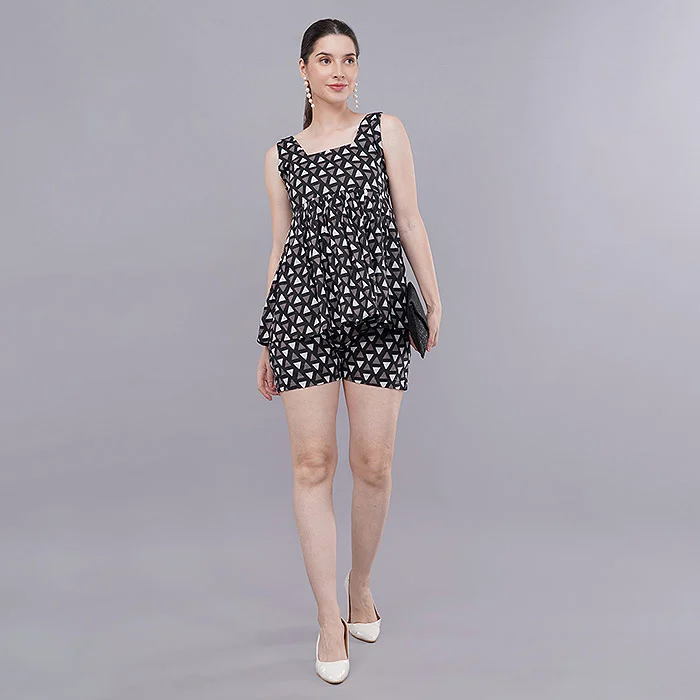
In every one of these zones the shopper sees the same thing first: your thumbnail. That is why at Uniqs Studio we treat the first catalogue image as the ad creative itself — it is cropped small, placed beside rivals and judged in under a second.
How does Myntra CPC bidding work?
Myntra CPC bidding works like an auction: you set the maximum you are willing to pay per click, and Myntra combines your bid with how relevant and engaging your listing is to decide placement. You rarely pay your full bid on every click, but a higher bid on a weak listing still buys expensive, low-converting traffic.
Inside PLA you will typically choose between three targeting approaches. Each has a different job, and the strongest accounts run all three side by side once they have data.
Auto targeting: let Myntra find the searches
With auto targeting, Myntra matches your styles to searches and pages it thinks are relevant. It is the right starting point for new styles because you do not yet know which search terms convert. Keep bids moderate, let each style collect a meaningful number of clicks, and then study the search-term report to see which queries actually produced orders.
Keyword targeting: bid on terms that already convert
Keyword targeting lets you bid on chosen search terms such as “rayon kurta set with dupatta” or “men’s linen shirt”. Move terms here only after auto campaigns prove they convert. Long, specific terms usually cost less per click and convert better than broad ones like “kurta”, where you compete with every big brand on the platform.
Myntra brand protection ads: defend your own name
Once shoppers start searching for your brand, competitors can bid on that search too. Myntra brand protection ads — campaigns on your own brand terms — keep your styles at the top when someone is already looking for you. These clicks are usually cheap and high-converting, so they deserve a small, always-on budget.
Time-of-day and sale-day bid changes
Fashion buying on Myntra tends to rise in the evenings and spikes hard during sale events. Many sellers test slightly higher bids in their best-converting hours and lower bids in weak hours. Treat any rule you read — including ours — as a hypothesis, and confirm it with your own hourly conversion data before you change bids at scale.
How much budget should you set for Myntra ads?
Set your Myntra ads budget from your break-even ROAS, not from a round number. Work out the margin you keep per order after Myntra commission, shipping, returns and product cost; your break-even ROAS is 1 divided by that margin percentage. Then start small, on a few proven styles, and scale only what beats break-even.
ROAS (return on ad spend) is ad revenue divided by ad spend — the same idea Google Ads uses for target ROAS bidding. If your net margin before ads is 25% of the selling price, your break-even ROAS is 1 ÷ 0.25 = 4. Below a ROAS of 4 you lose money on every ad order; above it you profit. Our Myntra fees and commission breakdown shows how to calculate that margin line by line.
| Net margin before ads | Break-even ROAS | What it means |
|---|---|---|
| 15% | 6.7 | Very thin; ads are risky unless returns are low |
| 20% | 5.0 | Only advertise top converters |
| 25% | 4.0 | Workable with strong creatives |
| 33% | 3.0 | Comfortable room to test and scale |
| 40% | 2.5 | Healthy; ads can drive aggressive growth |
For the first test, many sellers choose a fixed daily budget they can afford to lose fully while they learn, spread across 5–10 styles rather than 50. A practical example: if a fortnight of ads brings delivered (not just ordered) sales worth 4.5 times what you spent, your ROAS is 4.5 — profitable only if your break-even is below 4.5. Always use delivered, returns-adjusted revenue, because fashion returns can make a “great” ROAS fall apart.
What are the 9 rules to follow before you spend on Myntra ads?
Before you spend on Myntra ads, fix the things ads amplify: images, size stock, ratings, price and margin. The nine rules below come from what we see when sellers bring their listings to our studio after an ad campaign disappointed them — almost every problem started before the first rupee was spent.
Rule 1: Fix your first image before your bid
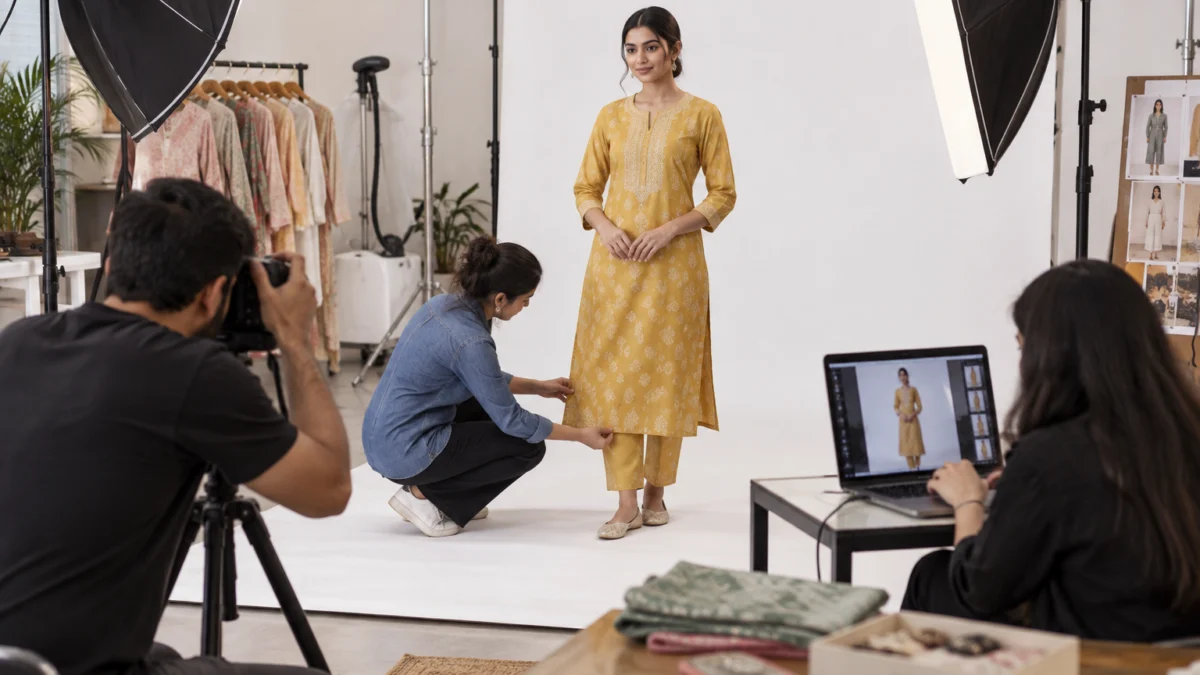
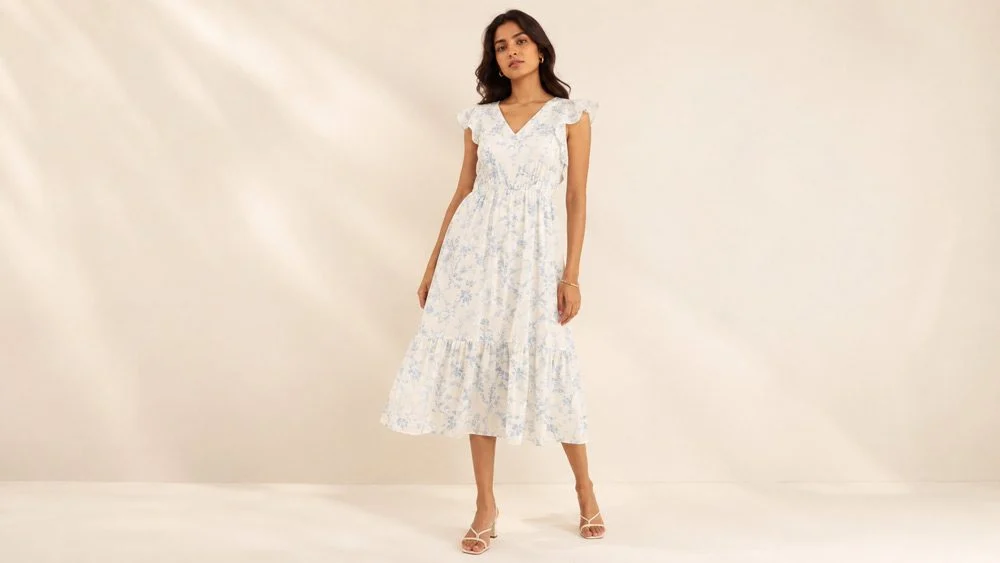
Your first image is your ad. If it is dark, cropped oddly, shot on a busy background or shows a colour that does not match the product, your click-through rate drops and each click costs more. For tops, shirts and kurtas, ghost mannequin shots show the true shape and neckline cleanly, while on-model images show fit and drape. Myntra fashion shoppers respond best to a strong on-model first image backed by detail shots.
Rule 2: Advertise only styles with full size depth
Nothing wastes ad spend faster than paying for a click on a style where the shopper’s size is out of stock. Before adding a style to a campaign, check that your core sizes — usually S to XL for most women’s ethnic and western wear — have enough units to last the campaign. Pause ads automatically, or at least daily, when a key size runs out.
Rule 3: Prove organic conversion first
Ads magnify what a listing already does. If a style has decent views but almost no orders organically, buying more views will not fix it. Pick styles that already convert reasonably, have at least a handful of genuine reviews and a rating you are comfortable showing. Our Myntra listing and catalogue QC checklist helps you audit a style before it goes into a campaign.
Rule 4: Know your break-even ROAS for each price band
A budget basic top and a premium co-ord set have very different margins after commission and shipping, so they need different ROAS targets. Group styles into price bands, calculate break-even ROAS for each, and give each band its own campaign. This one step stops profitable styles from subsidising loss-making ones inside a mixed campaign.
Rule 5: Start with auto, then harvest keywords
Run auto targeting first, then move converting search terms into keyword campaigns with tighter bids. Add irrelevant or non-converting terms as negatives where the portal allows it. Over a few weeks, this turns a broad, exploratory campaign into a precise one where most of your Myntra CPC bidding money goes to searches that already sell.
Rule 6: Protect your brand name early
If your brand has any search volume on Myntra, run a small brand-term campaign from day one. These clicks are usually cheap, they protect you from competitors placing their styles above yours, and they give you a clean benchmark of what a high-intent click converts at.
Rule 7: Concentrate budget on a few winners
Spreading a small budget across your whole catalogue means no style collects enough clicks to judge. Pick a focused set of styles, give each enough budget to reach a meaningful number of clicks, and decide based on data. Scale the winners; pause or re-shoot the losers instead of raising their bids.

Rule 8: Plan bids around sale events
During big sale events, traffic rises sharply and so does competition for every ad slot. Decide your sale-day budget, bids and stock in advance, and make sure your images and offers are final before the event starts. Our EORS sale preparation checklist covers the stock and catalogue side of that planning.
Rule 9: Judge ads on returns-adjusted ROAS
Fashion returns change everything. A style with a ROAS of 6 on orders can fall below break-even after returns if the fit or colour disappoints. Track ROAS on delivered, kept orders, and if a style’s return rate jumps under ads, check whether the images oversell the product. Honest, accurate photos protect both your ROAS and your account health.
How do videos help Myntra ads for sellers?
A short model video on the product page answers fit and fabric questions that still images cannot, which helps a paid click turn into a kept order. For kurtas, dresses and co-ord sets, 20–30 seconds showing a walk, a turn and a close fabric detail is usually enough. If you do not have video yet, short garment videos with a model are one of the most useful upgrades before you scale ad spend.
How do you set up your first Myntra PLA campaign?
To set up your first Myntra PLA campaign, open the advertising section in the Partner Portal, create a sponsored product campaign, choose a small set of proven styles, select auto targeting, set a daily budget and a moderate CPC bid, and run it for at least two weeks before judging. The steps below keep the first test clean.
- Audit the styles. Check images, title, size chart, stock depth and rating for each style you plan to advertise.
- Calculate break-even ROAS for the price band of those styles.
- Create the campaign in the Partner Portal’s ads section and name it clearly, for example “PLA – Kurta sets – Auto – Oct”.
- Select 5–10 styles in the same price band and category.
- Choose auto targeting and set a moderate bid, close to the portal’s suggested range.
- Set a daily budget you are comfortable losing fully during the test.
- Run for at least 14 days without daily bid changes, so the data has time to settle.
- Review search terms, move converters into a keyword campaign and add a brand-term campaign.
If a menu or option in your portal looks different from these steps, follow the portal and the Myntra seller support help centre; Myntra updates its tools regularly. The logic — small, focused, measured — stays the same.
Which metrics show your Myntra ads are working?
The metrics that show whether Myntra ads are working are click-through rate, cost per click, conversion rate and ROAS — read together, never alone. CTR tells you if the creative wins attention, conversion rate tells you if the listing closes the sale, and ROAS tells you if the whole thing makes money.
| Metric | What it tells you | If it is weak, fix… |
|---|---|---|
| CTR (click-through rate) | Does the thumbnail win the tap? | First image, price, colour accuracy |
| CPC (cost per click) | How much each visit costs | Relevance, CTR, keyword choice |
| Conversion rate | Does the product page close the sale? | Gallery, size chart, video, reviews |
| ROAS | Revenue per rupee of ad spend | Everything above, plus margin |
| ACoS (ad cost of sales) | Ad spend as a % of ad revenue (1 ÷ ROAS) | Same as ROAS |
| Return rate on ad orders | Do paid buyers keep the product? | Fit info, honest images, sizing |
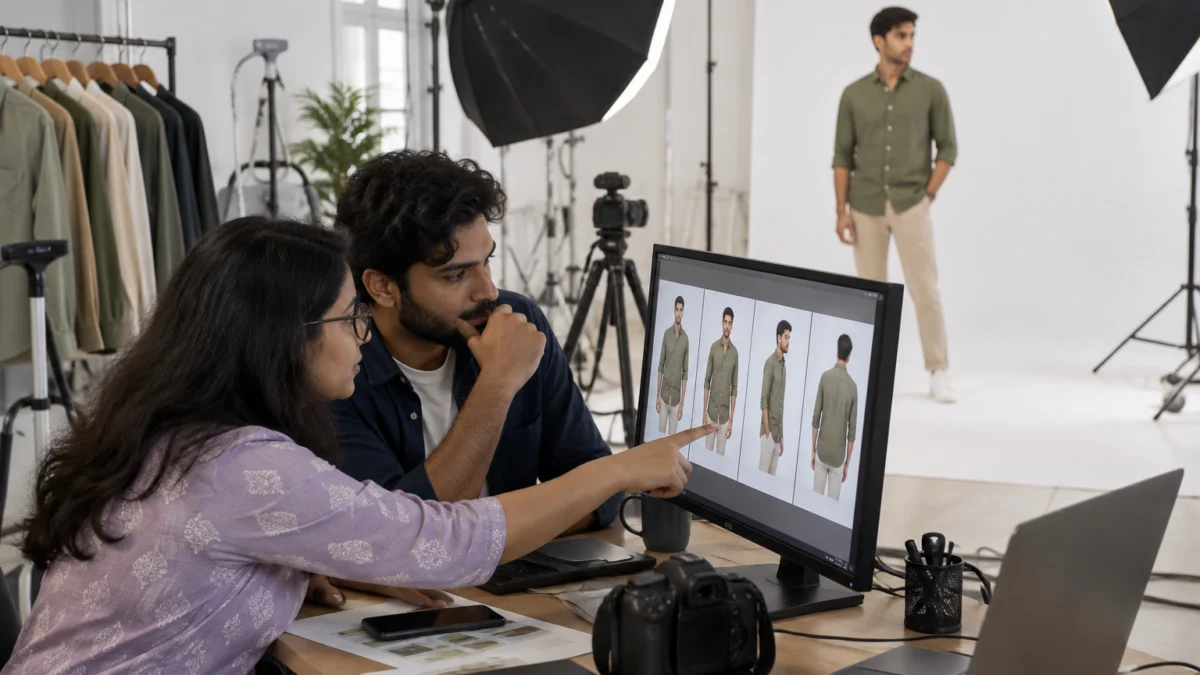
A useful way to read these together: low CTR with normal conversion means the creative is the problem; high CTR with low conversion means the product page, price or sizing is the problem; good CTR and conversion but low ROAS means the bid or the margin is the problem. Fix the weakest link first, and do not raise bids to cover a creative problem.
What does it cost to make your Myntra listings ad-ready?
Making listings ad-ready usually means re-shooting the first image and gallery, and adding a short garment video for your top styles. At Uniqs Studio, prices are fixed per product or image, so you can budget the creative upgrade for your advertised styles before you set the ad budget itself.
| Shoot type | Images | Turnaround | Price |
|---|---|---|---|
| Ghost mannequin | 1 angle | 3–4 days | ₹250 / image |
| Flat lay | 2–3 angles | 6 days | ₹290 / product |
| Model Photography | 5–6 angles | 4–5 days | ₹400 / product |
| Ecommerce Reels Video | 20–25 seconds | 4–5 days | ₹900 / product |
| Garment Video with Model | 25–30 seconds | 4–5 days | ₹1,200 / garment |
Prices are per product/image as listed; call or WhatsApp +91-8076745824 for bulk catalogue quotes.
Planning ads for a set of styles? Send the style list to Satyam on WhatsApp at +91-8076745824 or call +91-8076745824, and we will suggest which images to re-shoot first.
What are the most common Myntra ads mistakes to avoid?
The most common Myntra ads mistakes are advertising weak listings, judging results too early, ignoring returns and spreading budget too thin. Each one makes the platform look expensive when the real problem is the setup.
- Advertising every style. Budget gets diluted and no style collects enough data.
- Raising bids to fix low CTR. A poor thumbnail stays poor at a higher price.
- Changing bids daily. Campaigns need time; constant changes reset the learning.
- Ignoring stock. Paying for clicks on sold-out sizes is pure waste.
- Using order ROAS, not delivered ROAS. Returns can turn a winner into a loss.
- Skipping brand protection. Competitors happily take your branded searches.
- Using AI-generated or heavily edited images that misrepresent colour or fit — they raise returns and hurt ratings.
Real photos vs AI-generated images for Myntra ads
AI images can look polished in a thumbnail, but they often get fabric texture, print scale, colour and fit slightly wrong. On a paid click, that gap shows up as a return. Satyam’s advice is consistent: use real, professionally shot photos of the actual garment as your ad creative, and keep editing to clean-up and colour correction rather than reinvention.
What should your Myntra ads implementation checklist include?
Your Myntra ads checklist should confirm the listing, the economics and the campaign setup before launch, then set a review rhythm after launch. Tick every item below before the first campaign goes live.
- First image is a clean, full-length, colour-accurate on-model or ghost mannequin shot
- Gallery covers front, back, side, detail and fit views
- Size chart is accurate and core sizes are in stock
- Style has genuine reviews and an acceptable rating
- Break-even ROAS calculated for the price band
- Campaign limited to 5–10 proven styles
- Auto campaign live; brand-term campaign live
- Daily budget set; no bid changes for 14 days
- Weekly review of CTR, conversion, ROAS and return rate
- Sale-event bids and stock planned in advance
Where are Myntra ads heading in 2026-2027?
Marketplace ads across India are moving towards more automation, richer video placements and tighter links between ads and listing quality. For Myntra sellers, that means creative quality and clean catalogue data will matter even more than clever bidding.
- More automated bidding: platforms increasingly optimise bids for you, which makes your listing quality the main lever left.
- Video-first discovery: short garment videos and reels are getting more space in fashion apps.
- Faster delivery programmes: quick-delivery styles may get extra visibility, so stock planning and ads will be linked more closely.
- Return-aware performance: sellers who track kept orders, not just placed orders, will out-bid those who do not.
These are directions to watch, not guaranteed features — check Myntra’s announcements and your portal for what is actually live. For a wider growth plan that ties ads to pricing and catalogue depth, read our guide on increasing your sales on Myntra.
Frequently asked questions about Myntra ads for sellers
These are the questions Myntra sellers ask us most often before they start spending on ads.
Yes, if the styles you advertise already have strong images, full size stock and some organic orders. For a brand-new listing with no reviews, start with a small auto campaign on a few styles and treat it as a test, not a growth engine.
Minimum budgets are set by Myntra in the Partner Portal and can change, so check the current limit there. More important is a test budget you can afford to lose fully while collecting enough clicks on 5–10 styles to judge them.
PLA is self-serve, pay-per-click and shows your styles in search, listing and product pages. Premium placements are larger banner or display campaigns, usually planned with Myntra’s ads team, and suit launches, sale events and brand awareness.
A good Myntra ROAS is any ROAS above your break-even, which is 1 divided by your net margin before ads. With a 25% margin, break-even ROAS is 4, so a returns-adjusted ROAS of 5 or more is profitable.
Start with auto targeting to discover which searches convert, then move the winning search terms into keyword campaigns with controlled bids. Add a small brand-term campaign early to protect your own brand searches.
Yes. The first image is what shoppers see in every sponsored slot, so a clearer, colour-accurate image lifts click-through, and an honest gallery and video lift conversion and reduce returns — all of which improve ROAS.
What is the next step after planning your Myntra ads?
The next step is to make sure the styles you plan to advertise have creatives that deserve paid traffic. Audit the first image and gallery of each style against the checklist above, and re-shoot the ones that fall short before you set a single bid.
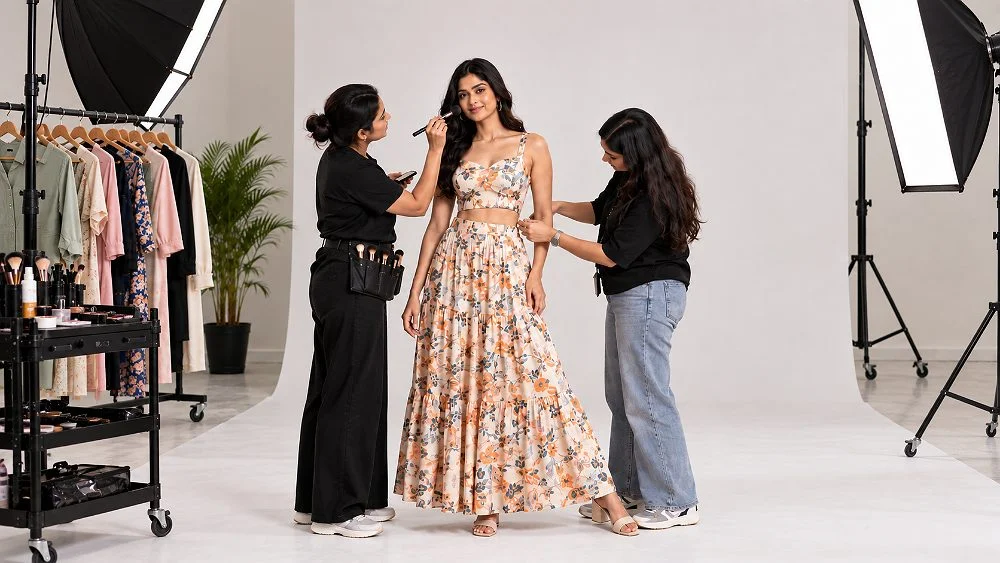
If your advertised styles need stronger hero images, our on-model fashion shoots at Uniqs Studio are built for exactly this: clean, colour-accurate, marketplace-ready images that work as the ad creative and the product page at the same time. Call +91-8076745824, WhatsApp +91-8076745824 or email [email protected] to plan the shoot.
Make every paid click land on a listing that sells
Uniqs Studio shoots on-model, ghost mannequin, flat lay and garment video content for Myntra sellers from our studio in Kalkaji, New Delhi, with shoots across Delhi, Gurgaon, Noida, Faridabad and Ghaziabad. Mon–Sat, 10 am–7 pm.