
Meesho model photography is the moment a supplier stops showing a kurti folded on a table and starts showing how it actually looks on a real woman’s body. If you have already set up your catalogue using our Meesho seller hub, you know the basics: registration, fees, catalogue QC and returns. This guide covers the next decision — when on-model images are worth the money and exactly which shots to take.
At Uniqs Studio we have spent 9+ years shooting apparel for marketplace sellers and D2C brands, and Satyam’s view is simple: on Meesho, the buyer scrolls fast on a phone, often on a budget, and often buys for fit more than fashion. A good model image answers “will this look right on me?” in one second. A weak one creates doubt, and doubt on a value marketplace becomes either a skipped listing or a return. If you want the wider picture first, our Meesho product photography rules cover every product type; this post goes deep only on models.
Key takeaways
- Switch to on-model images when fit, drape or length decides the sale — kurtis, sarees, dresses, co-ords and nightwear.
- Nine shots cover almost every Meesho apparel catalogue: front, back, side, three-quarter, walking, seated, close-up, styling and a short video.
- Keep the front image clean: one model, one product, plain light background, no text, no collage.
- Use real models wearing the exact product; AI models can misstate colour, print and fit and push up returns.
- Plan by SKU and colour in advance so one shoot day delivers every variant consistently.
What is Meesho model photography, and why does it matter in 2026-2027?
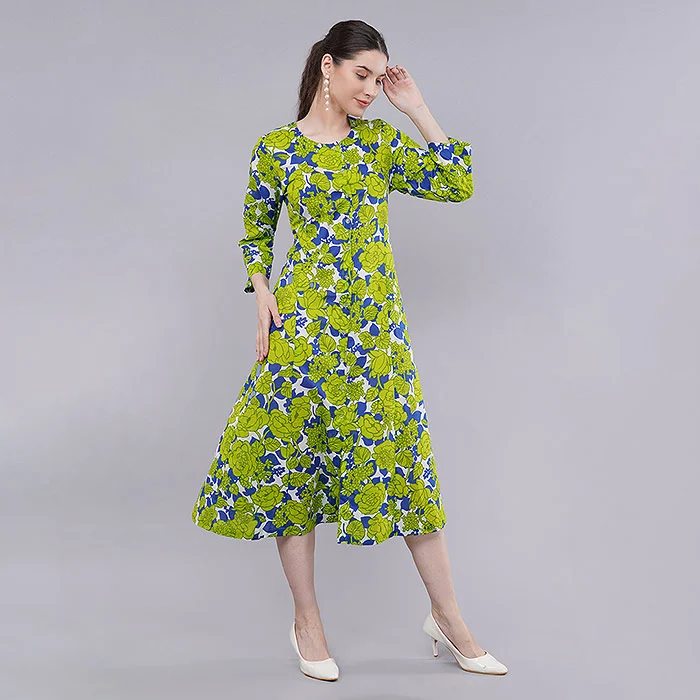
Meesho model photography means shooting your garments on a live model, in a clean studio setup, so the catalogue shows fit, length and drape instead of a flat product. It matters because Meesho buyers decide on a small phone screen, and a real body is the fastest proof that the size and fall will match what arrives at the door.
Meesho has grown into one of India’s biggest value-fashion destinations, with a large share of buyers from smaller towns who shop mainly on mobile. That shapes the photo. Fancy editorial backdrops do not help much here; what helps is a bright, honest, full-length image where the garment fills most of the frame and the colour matches the real fabric. When a supplier gets that right, the listing looks trustworthy next to dozens of similar products at similar prices.
There is also a competitive reason. Many Meesho catalogues still use supplier-shared photos, screenshots or the same image across several sellers. Original model photos make your listing look different in a grid of near-identical thumbnails, and they are much harder for other suppliers to copy without being noticed. For the official wording on image rules, always check the current guidance inside the Meesho Supplier Panel, because the platform updates it from time to time.
How is a Meesho buyer different from a Myntra or Amazon buyer?
On Myntra, shoppers expect a fashion-magazine look and a long gallery of poses. On Amazon, the main image rules are strict and technical. A Meesho buyer is usually more price-driven and practical: they want to see the exact colour, the length against the body, the neckline and whether the fabric looks thin or rich. That is why Meesho model photography works best when it is clear and literal rather than stylised. Keep poses natural, keep backgrounds plain, and let the garment do the talking.
When should a Meesho supplier switch from flat lay to on-model images?
Switch when fit, drape or length is the main buying question and your flat-lay listings get views but few orders, or many “size” and “looks different” returns. Kurtis, sarees, dresses, co-ord sets and nightwear almost always sell better on a model; basics like socks, kids’ vests or towels usually do not need one.
A flat lay is cheaper and faster, and for some products it is the right answer. But a flat garment hides the two things a Meesho buyer worries about most: how it falls and how long it is. A straight kurti and an A-line kurti can look almost identical when laid flat; on a model, the difference is obvious. For apparel where silhouette matters, on-model fashion photography shows the real shape in a way no flat image can, and it usually pays for itself on the styles that already get traffic.
| Signal in your catalogue | What it usually means | Best image type |
|---|---|---|
| Good views, low orders on kurtis or dresses | Buyer cannot judge fit or length | On-model front + side + full-length |
| Many “size issue” returns | Length, fall or proportions unclear | On-model with a consistent model height |
| “Colour different from image” returns | Lighting or editing shifted the shade | Model + fabric close-up, colour-matched |
| Basics, combo packs, kids’ innerwear | Buyer needs count and colour, not fit | Flat lay or ghost mannequin |
| Sarees and dupatta sets | Drape and pallu are the selling point | On-model drape + pallu detail |
A practical rule we share with suppliers at Uniqs Studio: start with your top 20–30 selling or most-viewed styles, re-shoot those on a model, and compare orders and returns for a few weeks against the flat-lay version. You do not need to re-shoot the whole catalogue on day one. Once the pattern is clear in your own numbers, roll out Meesho model photography to every new launch in the same categories.
Which 9 on-model shots should every Meesho catalogue include?
Plan nine shots: a clean front, back, side, three-quarter, a walking or movement shot, a seated or lifestyle pose, a fabric close-up, a styling or set shot and a short video. Upload the strongest four to six as images and keep the rest for variants, ads and social media.
Each shot should answer one buyer question. If two images answer the same question, drop one and use that slot for something new. Our separate guide on Meesho image requirements covers ratios, file sizes and background rules; below is the shot list we use in the studio for Meesho model photography.
1. Front full-length shot (the cover image)
Model stands straight, arms relaxed or one hand lightly on the hip, feet visible, garment centred and filling most of the frame. No props, no busy jewellery, no text on the image. This is the image Meesho shows in search and recommendation grids, so it must read clearly even at thumbnail size.
2. Back shot
Shows the back neckline, zip or tie, yoke and any back print. Many returns on kurtis happen because the back design was a surprise. Keep the same framing as the front so the two images feel like a pair.
3. Side profile
The single best image for showing length and fit. A side view tells the buyer whether a kurti falls straight or flares, and where it ends against the knee or calf. For dresses and co-ords, it also shows how close-fitting the garment is.
4. Three-quarter angle
A slight turn adds depth and shows the side seam and sleeve together. It looks more natural than a stiff side profile and often becomes the best second image.
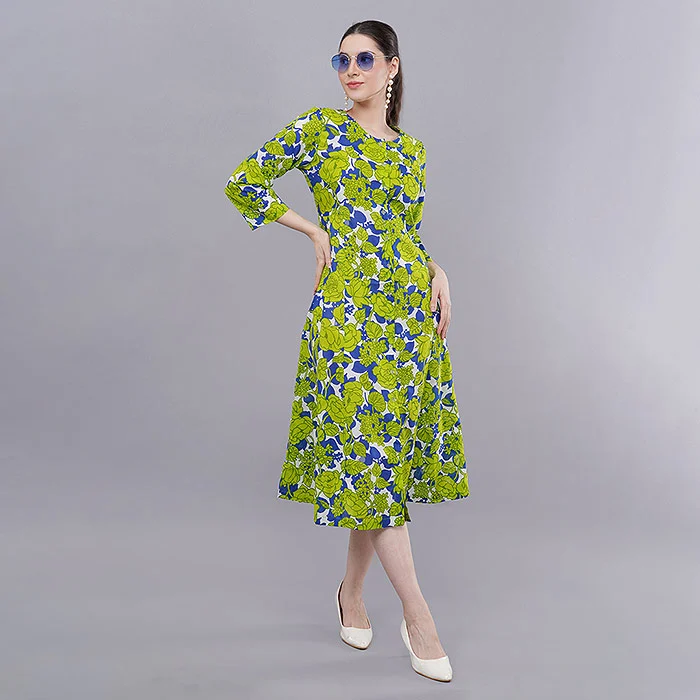
5. Walking or movement shot
A mid-step or gentle turn shows flare and fabric movement. It is especially useful for anarkalis, flared kurtis, skirts and dresses where the swing is part of the appeal.
6. Seated or lifestyle pose
A seated pose shows how the garment behaves in daily life — whether it creases, rides up or stays neat. Keep the setting simple: a white block or stool is enough.
7. Fabric and print close-up
Crop in on the print, embroidery, lace or buttons while the garment is still on the model. Buyers judge fabric quality from this image, and it is your best defence against “material is different” complaints.
8. Styling or set shot
For kurta sets, co-ords and saree-with-blouse listings, show every piece that is included. If the dupatta or bottom is not included, do not style it into the main images; that single mistake drives many wrong-expectation returns.
9. Short model video
A 20–30 second clip of the model turning, walking and showing the fabric works hard for social media, ads and reels, and it reuses the same shoot day. Our short garment videos are shot right after the stills, with the same styling, so the video and the photos match exactly.
How should you shoot kurtis, sarees and western wear for Meesho?
Each category has one thing the buyer must see: for kurtis it is length and silhouette, for sarees it is drape and pallu, and for western wear it is fit through the body. Build your Meesho model photoshoot around that one thing, then add detail shots.
Meesho kurti model photo: length, slits and neckline
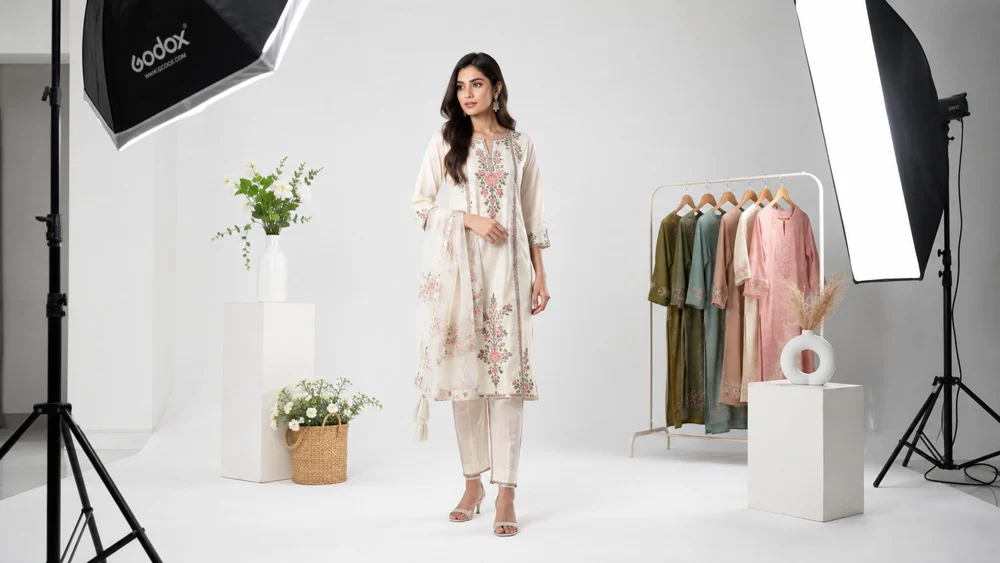
Kurtis are the heart of most Meesho fashion catalogues, so they deserve the most care. Shoot the front, side and back at the same distance so length reads consistently. Show the side slits in the side view, and give the neckline its own close-up. If the kurti comes with pants or palazzos, style them in the colour shown in your listing — never a contrasting pair you are not selling. Steam the kurti well; a creased hem looks cheap on a phone screen.
Meesho saree model photography: drape, pallu and blouse
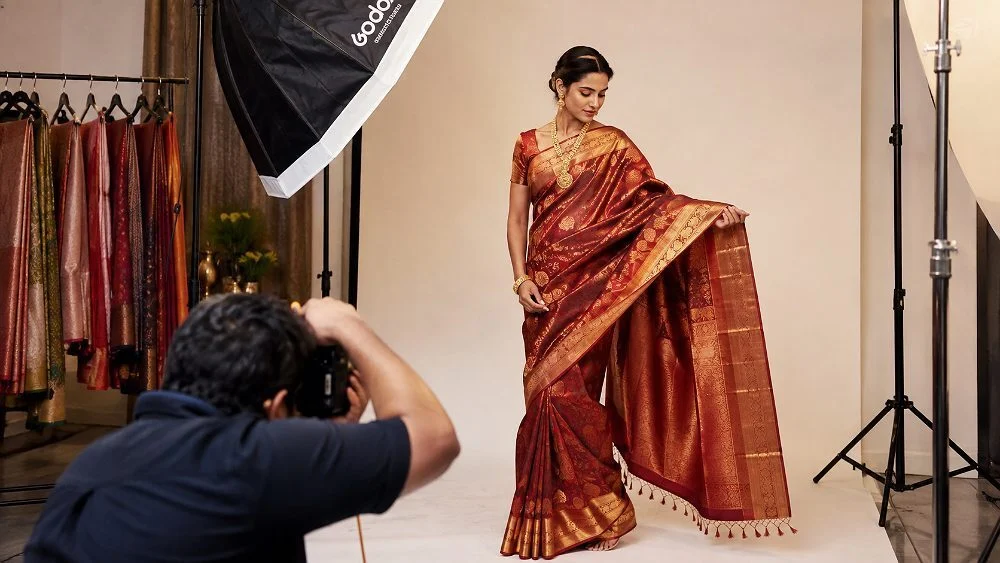
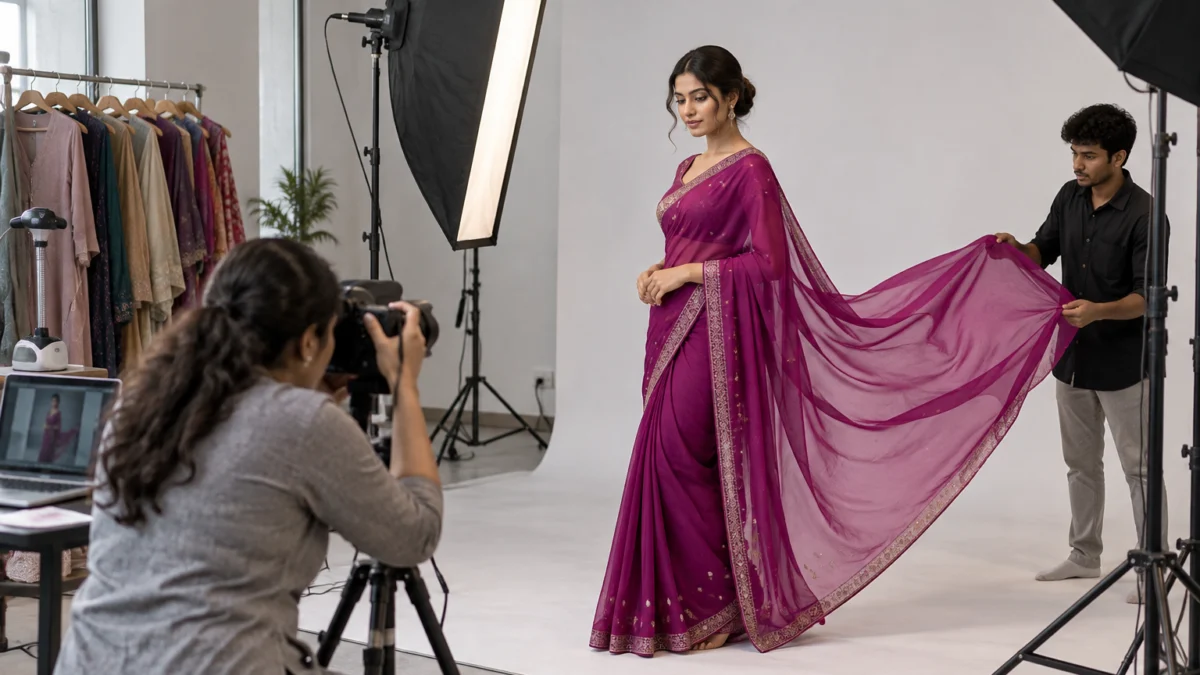
Sarees are where Meesho model photography makes the biggest difference, because a folded saree tells the buyer almost nothing about how it drapes. Drape it neatly with pleats pinned in place, open the pallu across one shoulder for the front shot, and take a separate pallu-spread image so the border and motif are visible. If a blouse piece is included, show it either stitched on the model or as a clear swatch, and say so in the listing text.
Western wear: dresses, co-ords and tops
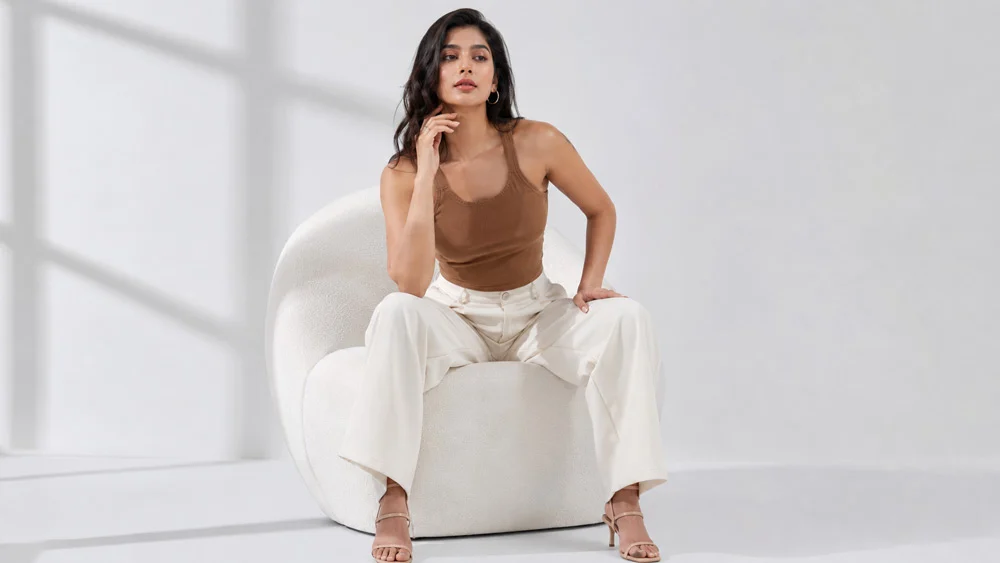
For western wear, the buyer wants to see fit at the bust, waist and hip, so poses should be simple and the camera at roughly chest-to-waist height to avoid distorting proportions. A seated or relaxed pose works well for co-ord sets and lounge pieces. Keep accessories minimal so the garment stays the hero.
How do you plan a Meesho model photoshoot step by step?
Plan by SKU list, not by mood board: list every style and colour, decide the shots per style, prepare and steam the garments, brief the model on poses, then shoot in batches by category and colour. Good planning is what keeps the cost per product low on a value marketplace.
- Build the SKU sheet. List style code, colours, sizes, and whether the bottom or dupatta is included. This becomes the shot list and the file-naming guide.
- Pick the shot set per category. For example: kurtis get front, back, side, three-quarter and close-up; sarees add a pallu spread; co-ords add a seated pose.
- Choose the model size thoughtfully. Most Meesho apparel sizes best on an average, relatable body. Note the model’s height and size so you can mention it in the listing text.
- Prepare garments the day before. Steam, remove tags and threads, and keep clips and pins ready for fit adjustments that stay out of frame.
- Light for true colour. Use even, soft light and a colour reference card at the start of each colour batch, so editing matches the real fabric.
- Shoot in batches. Group by category and colour family to reduce changes in lighting and styling, and to keep variants consistent.
- Edit gently and export to spec. Clean the background, fix stray threads and match colour — but never slim the body or change the garment shape.
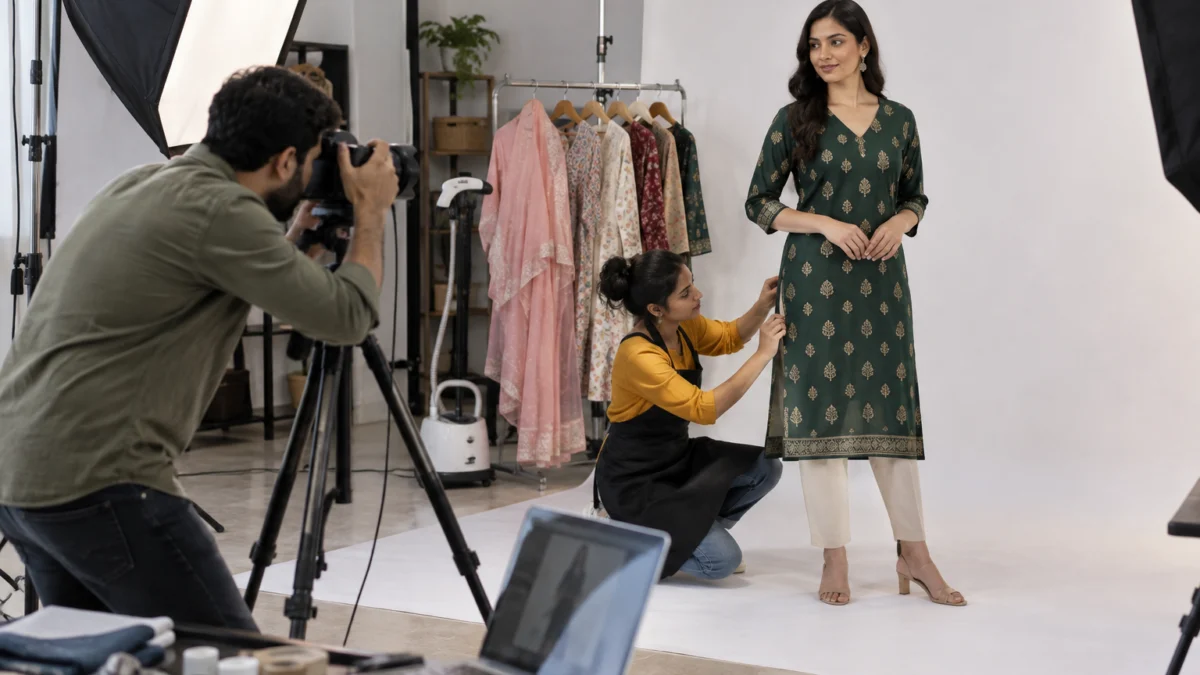
On a typical shoot day, the most common time waster is not the photography — it is garments arriving creased, mislabelled or missing pieces. Spend an hour on the SKU sheet and garment prep and the whole day runs smoother. Satyam usually tells new suppliers that a well-prepared batch is worth more than an expensive camera.
How many images per product should you upload on Meesho?
Four to six strong images per product is a sensible target for apparel. More is not always better — a gallery with three almost identical front shots wastes the buyer’s attention. Lead with the front, follow with side or three-quarter, then back, then close-up and styling. For colour variants, keep the same order and framing so the buyer can swipe between colours without confusion.
Real model vs AI model for Meesho: which is safer?
A real model wearing the exact product is safer for Meesho sellers. AI-generated models can look attractive, but they often change the print scale, colour or fit of the garment, and that mismatch shows up later as returns and low ratings.
AI tools have become popular with value sellers because they look cheap and fast. The problem is accuracy. An AI model image is a prediction of how your kurti might look, not a photograph of it. Prints get redrawn, embroidery gets smoothed out, and the length often changes to suit the generated body. On a marketplace where the buyer cannot touch the product, that gap between image and reality is exactly what triggers “product looks different” returns.
| Factor | Real model shoot | AI-generated model |
|---|---|---|
| Colour and print accuracy | True to the actual fabric | Can shift or redraw the print |
| Fit and length | Shows real fall on a real body | Often idealised, may mislead |
| Fabric texture | Visible in close-ups | Often smoothed or invented |
| Return risk | Lower when images match reality | Higher if the garment looks different |
| Reuse for video and ads | Same shoot gives photos + video | Video consistency is hard to match |
If you do experiment with AI, use it only for mood or social posts, never for the main catalogue images, and always check the platform’s latest rules. For the catalogue itself, real Meesho model photography remains the honest choice — and honest images are what keep a Meesho rating healthy over time.
How much does Meesho model photography cost?
At Uniqs Studio, model photography is ₹400 per product for 5–6 angles with a 4–5 day turnaround, and garment video with a model is ₹1,200 per garment. Flat lay and ghost mannequin options are cheaper, so many Meesho suppliers mix them by category.
| Shoot type | Images | Turnaround | Price |
|---|---|---|---|
| Model Photography | 5–6 angles | 4–5 days | ₹400 / product |
| Garment Video with Model | 25–30 seconds | 4–5 days | ₹1,200 / garment |
| Ecommerce Reels Video | 20–25 seconds | 4–5 days | ₹900 / product |
| Ghost mannequin | 1 angle | 3–4 days | ₹250 / image |
| Flat lay | 2–3 angles | 6 days | ₹290 / product |
Prices are per product/image as listed; call or WhatsApp +91-8076745824 for bulk catalogue quotes.
To get a quote for your catalogue, call +91-8076745824 or send your SKU list on WhatsApp at +91-8076745824. A quick look at the number of styles and colours is usually enough for us to suggest which items need a model and which can stay on flat lay.
Is model photography worth it on a low-price Meesho product?
Look at it per order, not per photo. A one-time model shoot cost is spread over every order that listing brings in, for as long as it stays live. If better images lift conversion or reduce even a few returns per month — each return costs you shipping, handling and sometimes the product itself — the shoot is usually recovered quickly on any style with steady traffic. For very low-price basics with little fit risk, flat lay is still the smarter spend.
What mistakes make Meesho model photos fail?
The biggest mistakes are colour that does not match the fabric, styling pieces that are not included, busy backgrounds, and editing that slims the model or reshapes the garment. Each one creates a gap between the image and the parcel, which is where returns come from.
- Wrong colour: warm or mixed lighting makes navy look black and maroon look red. Use a colour card and calibrated editing.
- Styling what you don’t sell: a dupatta or belt in the photo that is not in the box is a classic wrong-item complaint.
- Collages and text on the front image: they look cluttered on mobile and can fail catalogue checks.
- Over-retouching: slimming the waist or lengthening the kurti in editing misrepresents fit.
- Inconsistent models across variants: different heights for different colours of the same style confuse buyers.
- Hidden back design: skipping the back shot on kurtis with back prints or ties leads to surprise returns.
If returns are already hurting you, our guide to cutting Meesho returns and RTO explains the non-photo causes too, such as size charts, packaging and address quality. Fixing images and fixing those basics together gives the clearest result.
Use this Meesho model photography checklist before you upload
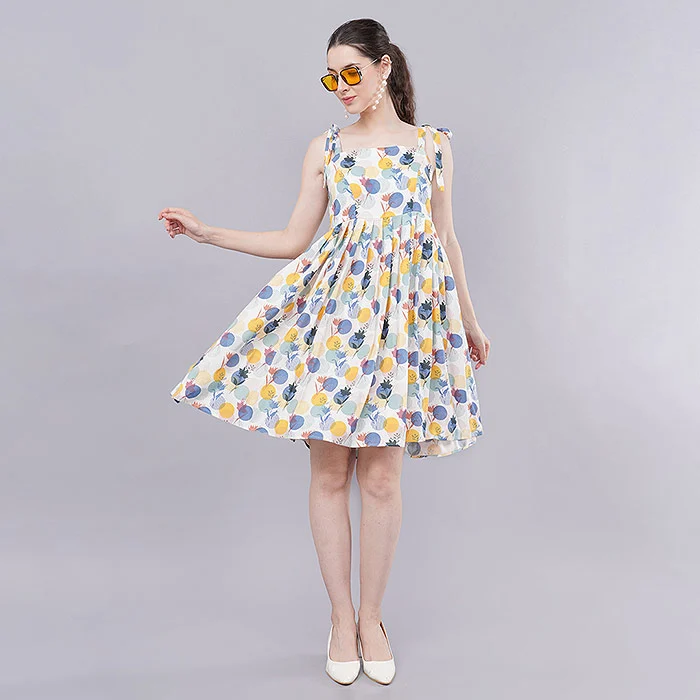
Before uploading, check every image for true colour, the exact product with only included pieces, a clean front image, consistent framing across variants and correct file specs. Five minutes of checking saves weeks of returns.
- Front image: one model, one product, plain light background, garment fills most of the frame.
- Side or three-quarter image shows real length and silhouette.
- Back image included for any style with a back design, zip or tie.
- Close-up shows print, embroidery or fabric texture in true colour.
- Only included pieces are styled; listing text matches what is in the box.
- Same model, framing and image order across all colour variants.
- No watermark, logo, price, phone number or offer text on any image.
- Files exported at a high enough resolution, in the ratio you use across the catalogue.
- Image file names and alt text describe the product clearly for search, as explained in Google’s image SEO best practices.
Planning a Meesho model shoot?
Share your SKU list and we will suggest which styles need a model, which can stay on flat lay, and how to batch the day. Uniqs Studio shoots in Delhi, Gurgaon, Noida, Faridabad and Ghaziabad.
Call Satyam on +91-8076745824, WhatsApp +91-8076745824 or email [email protected].
Call now Email your SKU listFrequently asked questions about Meesho model photography
These are the questions Meesho suppliers ask us most often before booking a model shoot. Tap a question to open the answer.
No, Meesho does not require a model for every apparel listing. But for kurtis, sarees, dresses and co-ord sets, on-model images usually convert better because they show fit, length and drape. Always check the current image rules in the Meesho Supplier Panel.
Four to six strong images per product works well: front, side or three-quarter, back, a fabric close-up and a styling or set shot. Keep the same order and framing for every colour variant.
Model photography is ₹400 per product for 5–6 angles with a 4–5 day turnaround. Garment video with a model is ₹1,200 per garment, and an ecommerce reels video is ₹900 per product. Call or WhatsApp +91-8076745824 for bulk catalogue quotes.
It is risky. AI models can change the print, colour or fit of the garment, which leads to “product looks different” returns. Use real photos of the exact product for catalogue images and check Meesho’s latest rules before using any generated image.
For fit-led apparel like kurtis, dresses and sarees, a clean full-length model shot makes a stronger front image. For basics, combo packs and kids’ innerwear, a flat lay or ghost mannequin front image is usually enough.
You can reuse the shoot, but each marketplace has its own ratio, background and main image rules. Plan the shoot so you capture a clean white-background front for stricter platforms and export separate sets for each marketplace.
What is your next step after reading this guide?
Pick your top-selling or most-viewed fit-led styles, list them in an SKU sheet, and book one batch of on-model images to test against your current flat lays. Measure orders and returns for a few weeks, then roll the approach out to new launches.
Meesho model photography does not have to mean re-shooting your whole store. Start small, measure, and scale what works. When you are ready to book that first batch, our model photography team in Delhi can plan the shot list with you, shoot kurtis, sarees and western wear on real models, and deliver catalogue-ready images in the ratio your Meesho store uses.