
Good plus size model photography does one job better than any size chart: it shows a shopper exactly how a garment will sit on a body like hers. At Uniqs Studio we treat every curvy model shoot as fit evidence first and fashion second, and that thinking runs through all of our model photography work for D2C brands and marketplace sellers.
This guide is written for plus-size labels, inclusive D2C fashion brands and apparel sellers on Myntra, Amazon and Meesho who want their size-inclusive catalogue to look premium and feel honest. Satyam has spent 9+ years behind the camera for ecommerce brands, and here he breaks down the three decisions that matter most: who you cast, how you style the fit and how you pose and frame the body.
You will get a casting method based on your own size chart, a fit-styling routine that avoids misleading clips, seven poses that flatter without hiding the garment, a shot list per SKU, official shoot pricing and a checklist you can hand to any photographer. If you would rather talk it through, call +91-8076745824 or email [email protected].
Key Takeaways
- Cast models from the middle of your plus-size range (for example XL–2XL on a size chart that runs L–4XL), and write the model’s size and height in every listing.
- Fit styling should only remove studio sag; never pin a garment tighter than it will sit on the buyer.
- Shoot from roughly waist height with a longer lens so proportions stay natural instead of top-heavy.
- Every plus-size SKU needs a front, back, side, three-quarter, fabric close-up and a short movement clip.
- Real models beat AI try-on for plus-size fit: curves, drape and fabric stretch are exactly what AI gets wrong.
What Is Plus Size Model Photography and Why Does It Matter in 2026?
Plus size model photography is catalogue and campaign photography of garments worn by models who match a brand’s extended size range, usually XL and above. It matters because plus-size shoppers cannot judge fit from a garment shot on a size-S model, so honest on-body images directly decide whether they order, and whether they keep what arrives.
Indian fashion commerce has noticed this shopper. Inc42’s reporting on how fashion commerce is building for plus-size buyers describes a segment that has moved from an afterthought to a growth category, and Myntra launched its own in-house plus-size label, Sztori, to serve it. When the platforms themselves invest, sellers compete on the quality of their images, not just on price.
The challenge is that many brands still treat a plus-size line as a size extension of the same shoot. They photograph the hero colour on a straight-size model and simply add 3XL to the size dropdown. The shopper sees a garment that looks one way on screen and a completely different way in her mirror, and the return request follows.
Plus size model photography vs standard catalogue shoots
The camera and lights are the same, but the priorities change. A standard catalogue shoot optimises for consistency and speed; a plus size model shoot optimises for fit truth. That means more time on fitting, more angles per SKU, careful camera height and captions that tell the shopper the model’s size.
| Factor | Standard catalogue shoot | Plus-size catalogue shoot |
|---|---|---|
| Casting | One sample size (usually S/M) | Mid-range plus size, matched to your size chart |
| Fitting time | Quick clip and steam | Proper fit session per style, minimal clipping |
| Angles | Front, back, side, detail | Add three-quarter, seated and movement |
| Camera height | Often chest height | Around waist height to keep proportions natural |
| Listing copy | Optional model size | Model size, height and fit note on every listing |
How Do You Cast the Right Plus-Size Model for Your Catalogue?
Cast from your own size chart, not from a model agency’s portfolio. Pick a model whose bust, waist and hip measurements sit in the middle of your plus-size range, so the fit shown on her represents the largest group of your buyers. Then match her height and body shape to the customer your brand actually sells to.
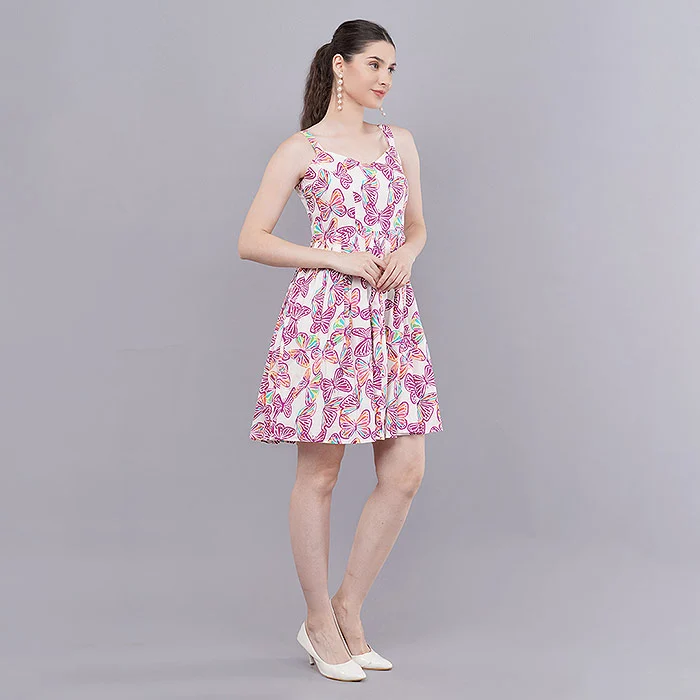
Step 1: Map your plus size model photography casting to your size chart
Open your size chart and mark the sizes that sell most in your plus-size line. If your chart runs from L to 4XL and most orders come in at XL and 2XL, your primary model should measure close to XL or 2XL. Ask every candidate for measured bust, waist, hip and height on the day, not figures from an old comp card, because a 5 cm difference at the hip changes how a kurta falls.
Step 2: Match body shape, not only size
Two models in the same size can carry weight very differently. An apple-shaped body and a pear-shaped body make the same A-line kurta look completely different. Look at your best-selling silhouettes and your returns data: if returns cite tightness at the hip, cast a model with fuller hips so that issue shows up on camera before it shows up in a return.
Step 3: Decide between one model and a size range
For most growing brands one well-matched mid-range model is enough for the full catalogue. Brands with a wide range, for example L to 6XL, get better results with two models: one near the start of the range and one near the top. Inclusive model casting is not about filling a quota; it is about letting each shopper find a body close to her own. Our post on taking a fashion brand from casting to campaign covers model briefs and usage rights in more detail.
Casting call checklist for a curvy model photoshoot
- Measured bust, waist, hip, height and shoe size taken on the day of casting.
- Comfort with full-length, back and side views, and with sleeveless or fitted styles if your range has them.
- Natural, relaxed posing in a short test frame, not only polished portfolio shots.
- Skin tone and look that suit your brand palette and your buyer base.
- Availability for repeat shoots, so your catalogue stays consistent season to season.
How Should You Fit-Style Garments for a Plus Size Model Shoot?
Fit styling for plus-size garments should correct only what the studio causes, such as creases from packing or a sample that is slightly off-size, and never make the garment look tighter or smaller than it is. The rule we follow is simple: if the buyer would not get that shape out of the parcel, do not create it with clips.
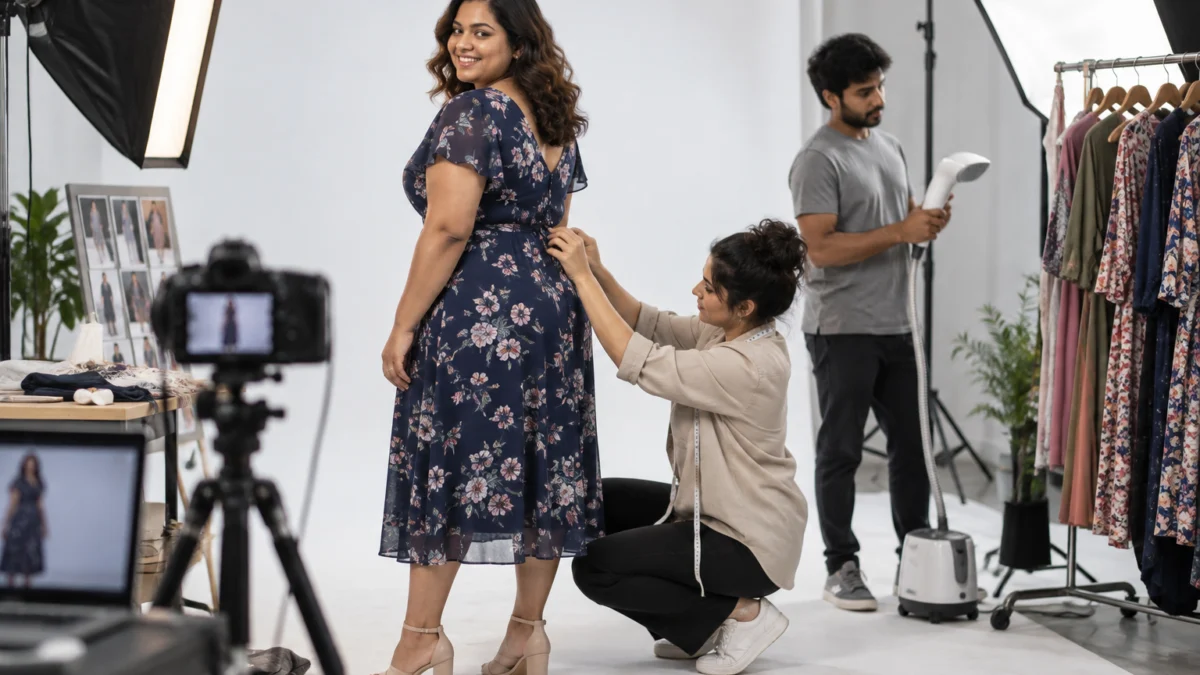
Run a fit session before the camera comes out
Try every style on the model before shooting starts, and note which ones fit as intended and which need help. Plus-size samples are often made in one size and may not match the cast model exactly. Recording this upfront avoids a stylist frantically pinning garments mid-shoot, which is when misleading fits creep in.
Clips, pins and tape: what is honest and what is not
- Honest: a small clip to remove sag from an oversized sample, double-sided tape to stop a neckline slipping, smoothing a lining that has bunched.
- Not honest: pulling a kurta tight at the waist to create shape it does not have, pinning a dress to look shorter, or clipping a palazzo so it looks narrower.
- Always check the back view after clipping; a clip that is invisible from the front often shows in the back or side frame.
Prepare the garment, not just the model
Heavier fabrics used in plus-size ethnic wear, such as rayon, cotton slub and georgette with lining, crease easily and show every wrinkle across a larger surface. Steam each piece on the hanger, then again once it is on the model. Our guide to garment preparation for fashion photography lists the steaming, lint and tag routine our stylists follow before every shoot.
Which Poses and Angles Work Best in Plus Size Model Photography?
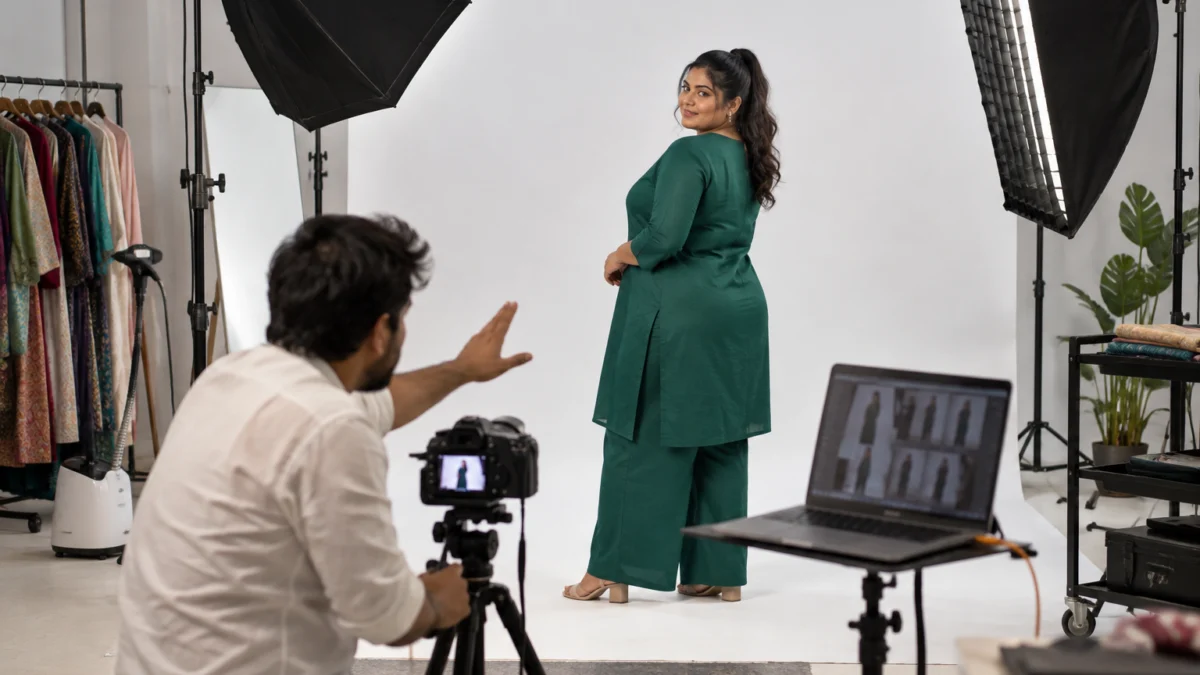
The best poses for plus-size catalogues are relaxed, natural stances that show the garment’s real line: a straight front, a soft three-quarter turn, a clean side and back, plus one movement frame. Shoot from around waist height with a longer focal length so the body keeps its true proportions and the garment hem is not distorted.
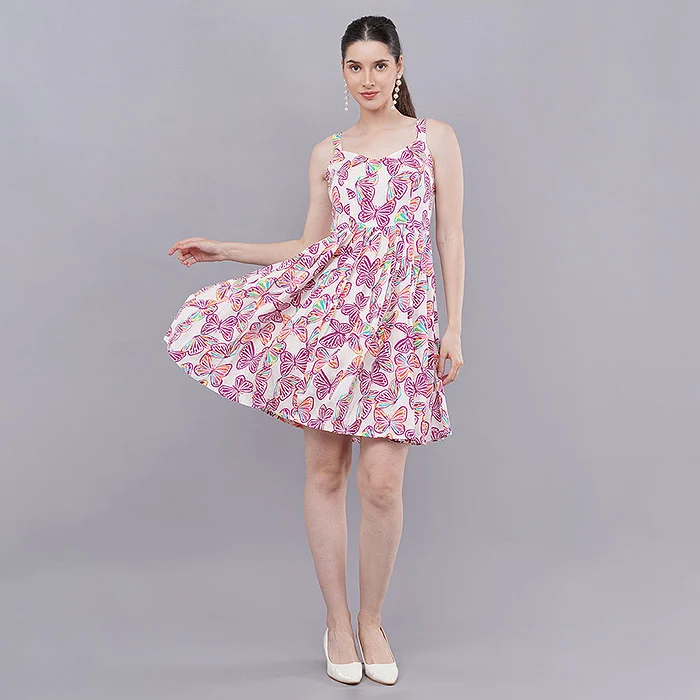
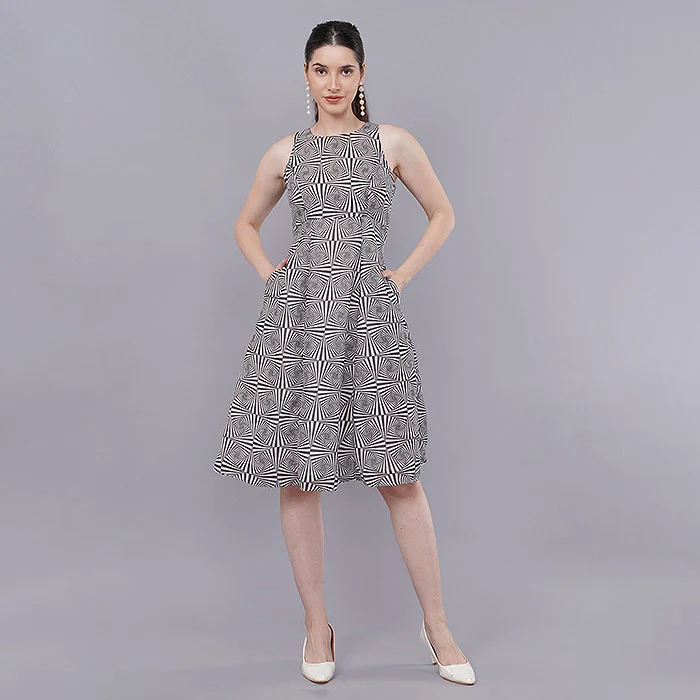
Satyam’s direction for curvy model shoots is to keep poses natural and functional. Over-posed, heavily angled frames may look editorial, but they hide how a garment actually sits, which is the one thing a plus-size shopper is looking for. Our on-model fashion photography team keeps one storytelling frame per look and lets the rest of the set do the fit work.
Seven poses for a plus size model shoot
- Straight front, weight on one leg: shows neckline, length and the front drape without stiffness.
- Soft three-quarter turn: body angled about 30 degrees, shoulders relaxed; shows side shape and depth.
- True side profile: arms slightly forward so the side seam and fall over the hip are visible.
- Back view with a look over the shoulder: shows back fit, zip or yoke and keeps the image human.
- Walking step: reveals fabric movement, slit placement and how palazzos or flared hems move.
- Seated pose: answers the question every shopper has about whether a kurta rides up or pulls when she sits.
- Hand-in-pocket or hand-at-waist detail: proves pockets exist and shows waist placement honestly.
Camera height and lens choice for plus size model photography
Camera height changes body proportions more than any pose. Shooting from chest or eye height with a wide lens makes the upper body look larger and shortens the legs, which is unflattering and inaccurate. We shoot full-length plus-size frames on full-frame bodies with a short telephoto focal length from around waist height, which keeps the head, torso and legs in true ratio and keeps hemlines straight.
| Pose / angle | What it proves to the shopper | Common error to avoid |
|---|---|---|
| Straight front | Neckline, length, front drape | Arms pressed to the body, hiding side shape |
| Three-quarter turn | Depth and side silhouette | Turning too far so the front disappears |
| Side profile | Fall over bust and hip | Sucked-in posture that misrepresents fit |
| Back view | Back fit, zip, yoke, length | Skipping it entirely |
| Walking / movement | Fabric weight and flare | Motion blur that hides the print |
| Seated | Comfort and ride-up | Low camera angle that distorts the lap |
How Do Lighting and Backdrop Choices Change for Plus-Size Shoots?
Plus-size garments cover a larger area of the frame, so lighting has to be broad and even from shoulder to hem. Large soft sources placed slightly higher than the model, with gentle fill from the front, keep fabric texture visible without harsh shadows that exaggerate folds or make one part of the body look heavier.
In the Uniqs Studio set-up we use multiple strip softboxes and an octabox to wrap light evenly around the model, so the side of a kurta is lit as cleanly as the front. A narrow or single hard source creates deep shadow lines along the waist and hips, and shoppers read those shadows as tightness or bulk that is not really there.
- Backdrop: plain white or light grey seamless keeps marketplace main images compliant and makes colour matching easier.
- Distance: keep the model a few steps away from the backdrop so her shadow does not darken the outline of the garment.
- Colour accuracy: shoot a grey card for every new colour; dark plus-size prints such as navy and maroon lose detail fast if exposure drifts.
- Retouching: clean lint and creases, correct colour, but never slim the body or reshape the garment in post.
What Shot List Should Every Plus-Size SKU Have?
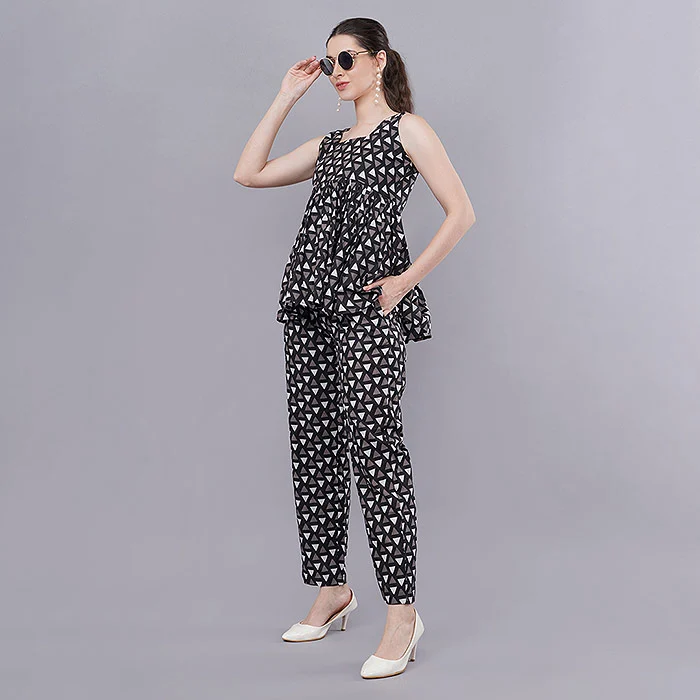
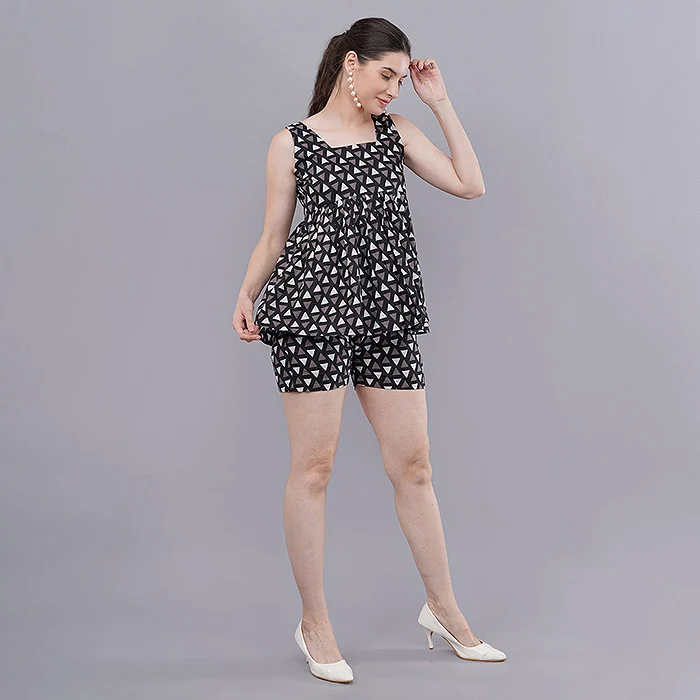
Every plus-size SKU should have at least six images: front, back, side, three-quarter, a fabric close-up and a styled or movement frame, plus a short video where the platform allows it. This set answers fit, length, fabric and styling questions before the shopper has to ask them in a review or a return reason.
| # | Shot | Purpose | Where it is used |
|---|---|---|---|
| 1 | Full-length front | Main image, overall fit and length | Main image on Myntra and Amazon |
| 2 | Back view | Back fit and closure | Gallery slot 2 |
| 3 | Side profile | Fall over bust and hip | Gallery slot 3 |
| 4 | Three-quarter turn | Depth and silhouette | Gallery or A+ / brand page |
| 5 | Fabric close-up | Weave, print scale, stretch | Gallery detail slot |
| 6 | Seated or movement | Comfort and drape in use | Gallery, ads, social |
| 7 | 10–30 second clip | Fabric movement and real fit | Product video, reels |
If you shoot many styles in one day, a fixed shot list keeps every SKU consistent across colours and sizes. Our ecommerce fashion photography shot list shows how to plan angles per category so nothing is missed on the day. For plus-size ranges, add a size caption to the listing: for example, Model is 5 ft 5 in and wears 2XL. That one line removes a large share of size guesswork.
How Do Videos Help Plus-Size Shoppers Judge Fit?
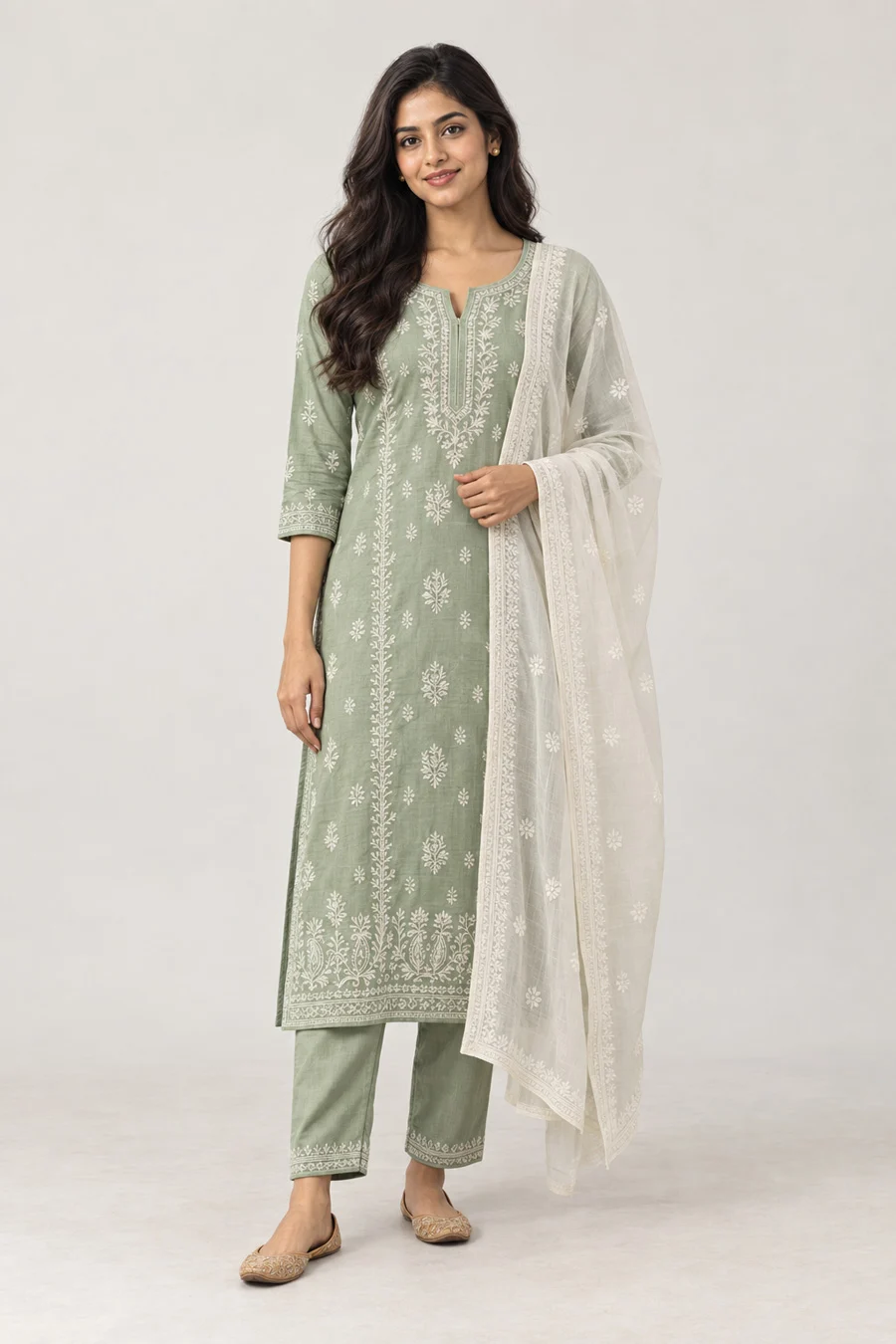
A short on-model video shows what still photos cannot: how fabric moves, whether a kurta clings or floats, and how a hem behaves when the model walks or turns. For plus-size shoppers, who are often the most sceptical about online fit, ten to thirty seconds of real movement builds more confidence than an extra still image.
We plan the video during the same session as the stills, so the fitting, lighting and styling are already locked. A simple walk towards camera, a half turn and a close pass over the fabric are usually enough. Brands that want reels for social and marketplaces can book short garment videos alongside the photo shoot instead of organising a separate day.
Why real models beat AI try-on for plus size model photography
AI try-on tools are tempting because they promise a plus-size version of every SKU without a shoot. The problem is that they guess. They do not know how your rayon stretches at the hip or where your georgette folds over the bust, so they generate a smooth, idealised fit that the real garment will not match. For plus-size buyers that gap becomes a return. Real photos of real bodies remain the safest choice for fit-critical categories.
What Mistakes Make Plus-Size Catalogue Images Lose Buyer Trust?
The biggest trust-killers are images that misrepresent fit: straight-size models for plus-size listings, over-clipped garments, heavy body retouching and missing back or side views. Shoppers spot these quickly, and once they feel misled they leave a review that hurts every future sale of that SKU.
- Using one straight-size model for the whole range. The 4XL shopper cannot judge fit from a size-S photo.
- Clipping the garment tighter than it fits. The parcel arrives looser and the buyer feels deceived.
- Slimming the model in retouching. It breaks the link between photo and product, and shoppers notice.
- Hiding the body with props or crossed arms. Shopping bags, dupattas and folded arms block exactly the area buyers want to see.
- Skipping size captions. Without model size and height, the image loses half its value as fit evidence.
- Inconsistent colour across sizes. If the 3XL listing looks a different shade, buyers assume quality issues.
- Treating plus size as a token. One curvy model in the campaign but none on product pages sends the wrong message.
How Much Does a Plus Size Model Photography Shoot Cost?
At Uniqs Studio, model photography is priced per product, with the same rate for plus-size and standard ranges. Model photography is ₹400 per product for 5–6 angles with a 4–5 day turnaround, and you can add ghost mannequin, flat lay or video for the same SKUs from the official price list below.
| Shoot type | Images | Turnaround | Price |
|---|---|---|---|
| Model Photography | 5–6 angles | 4–5 days | ₹400 / product |
| Ghost mannequin | 1 angle | 3–4 days | ₹250 / image |
| Flat lay | 2–3 angles | 6 days | ₹290 / product |
| Ecommerce Reels Video | 20–25 seconds | 4–5 days | ₹900 / product |
| Garment Video with Model | 25–30 seconds | 4–5 days | ₹1,200 / garment |
Prices are per product/image as listed; call or WhatsApp +91-8076745824 for bulk catalogue quotes.
Planning a plus-size range launch? Call +91-8076745824 or WhatsApp +91-8076745824 with your SKU count and size range, and the Uniqs Studio team will plan casting and the shot list with you.
Model fees, styling extras and location shoots depend on the brief, so we confirm them during planning. For a broader look at what drives model shoot budgets in the capital, read our model photoshoot price guide.
How Does Uniqs Studio Run a Plus Size Model Shoot?
Uniqs Studio runs plus-size shoots in five stages: brief and size-chart review, casting, fit session, shoot with a fixed shot list, and colour-accurate editing with size captions supplied for your listings. Everything happens in-house at our Kalkaji studio in New Delhi, and we also shoot for brands in Gurgaon, Noida, Faridabad and Ghaziabad.
- Brief: we review your size chart, best sellers, platforms (Myntra, Amazon, Meesho or your own site) and any return reasons you share.
- Casting: we shortlist models whose measurements match the middle of your plus-size range.
- Fit session: every style is tried on, steamed and noted before lights go on.
- Shoot: waist-height camera, broad soft lighting, the seven-pose set and an optional short video per look.
- Editing: colour matching, lint and crease clean-up, marketplace-ready crops, with no body reshaping.
With 9+ years of ecommerce production and work for 500+ D2C brands and marketplace sellers, Satyam’s team knows that the most valuable plus-size image is the one that matches the parcel. Email [email protected] with your brief or visit our studio at 1800/9, Kalkaji Extension, New Delhi, Monday to Saturday, 10 am to 7 pm.
Plus Size Model Photography Checklist: What to Do Before, During and After the Shoot
Use this checklist to brief any photographer or in-house team. It turns the casting, fit and posing rules in this guide into simple yes-or-no checks you can tick off for every plus-size collection.
- Size chart reviewed and best-selling plus sizes identified.
- Model cast from the middle of the range with measured bust, waist, hip and height.
- Second model booked if your range is very wide.
- Fit session done for every style; problem pieces noted.
- Only honest clipping used; back view checked after clipping.
- Camera at around waist height with a short telephoto lens.
- Broad, even lighting from shoulder to hem.
- Front, back, side, three-quarter, close-up and movement frames shot per SKU.
- Short video recorded for hero styles.
- Colour checked against the physical sample; no body slimming in edit.
- Model size and height caption added to every listing.
Frequently Asked Questions About Plus Size Model Photography
These are the questions plus-size and inclusive fashion brands ask most often before booking a curvy model photoshoot.
Cast a model whose measurements sit in the middle of your plus-size range, usually the size that sells most. If your chart runs L to 4XL and most orders are XL–2XL, choose a model close to that, and mention her size and height in every listing.
One well-matched mid-range model works for most growing brands. If your range is very wide, for example L to 6XL, two models near the start and top of the range help more shoppers see a body close to their own.
Natural, functional poses work best: a relaxed straight front, a soft three-quarter turn, a clean side and back view, a walking step and a seated frame. Avoid heavy angles, crossed arms or props that hide how the garment fits.
Model photography at Uniqs Studio is ₹400 per product for 5–6 angles with a 4–5 day turnaround. A garment video with model is ₹1,200 per garment. Call or WhatsApp +91-8076745824 for bulk catalogue quotes.
Not reliably. AI try-on tools guess how fabric stretches and drapes, so they often show a smoother fit than the real garment. For plus-size clothing, where fit is the main purchase worry, real model photos are far more trustworthy.
Keep it short and factual: the model’s height and the size she is wearing, for example Model is 5 ft 5 in and wears 2XL. Add a fit note such as relaxed fit or true to size if your size chart supports it.
What Is the Next Step After Planning Your Plus-Size Shoot?
Once casting, fit and poses are clear, the next step is preparing the shoot day itself: garments, accessories, model brief and timings. A short preparation routine is what turns a good plan into a smooth, on-time shoot.
Strong plus size model photography is not about clever angles; it is about honest fit, natural poses and complete angles that let every shopper picture the garment on her own body. When you are ready to lock the details, work through our complete model photoshoot preparation checklist, then share your size chart with Uniqs Studio so we can plan casting with you.
Book a Plus-Size Model Shoot with Uniqs Studio
Real models, honest fit styling and catalogue-ready images for Myntra, Amazon, Meesho and your own website. Call Satyam on +91-8076745824, WhatsApp +91-8076745824 or email [email protected].