
If you run a D2C brand or sell on marketplaces, the ugc video vs studio product video question probably lands on your desk every time you plan a launch. One side says shaky, phone-shot creator clips feel “real” and win on Instagram; the other says only a lit, styled studio video makes a product page look trustworthy. At Uniqs Studio we plan and shoot both formats every week as part of our ecommerce video production work, so this guide is written from the set, not from a slide deck.
Here is the short version: neither format wins everywhere. UGC-style video usually earns attention in ads and social feeds, while a studio product video usually earns the add-to-cart on a listing. Below, Satyam breaks down the seven differences that actually decide which one sells more for your products, what each costs, and how to capture both in a single shoot day.
Key takeaways
The five points to remember before you brief a creator or book a studio:
- UGC-style video is built to stop the scroll; a studio product video is built to answer buyer doubts about fit, fabric, size and finish.
- Marketplace listings reward clarity and consistency, so studio footage usually performs better there.
- Paid social rewards novelty and faces, so creator-style hooks usually perform better there.
- The cheapest plan for most brands is a hybrid: studio hero footage plus creator-style cut-downs from the same session.
- Paid creator content needs proper disclosure, and claims in any video must be true for the product you ship.
What is a UGC-style video, and what is a studio product video?
A UGC-style video is a short, phone-shot clip in which a real-looking person uses, wears or reviews the product in their own voice. A studio product video is a planned shoot with controlled lighting, styling and camera movement that shows the product accurately and consistently. The first sells a feeling of trust between peers; the second sells certainty about the product itself.
What counts as UGC-style video for a D2C brand?
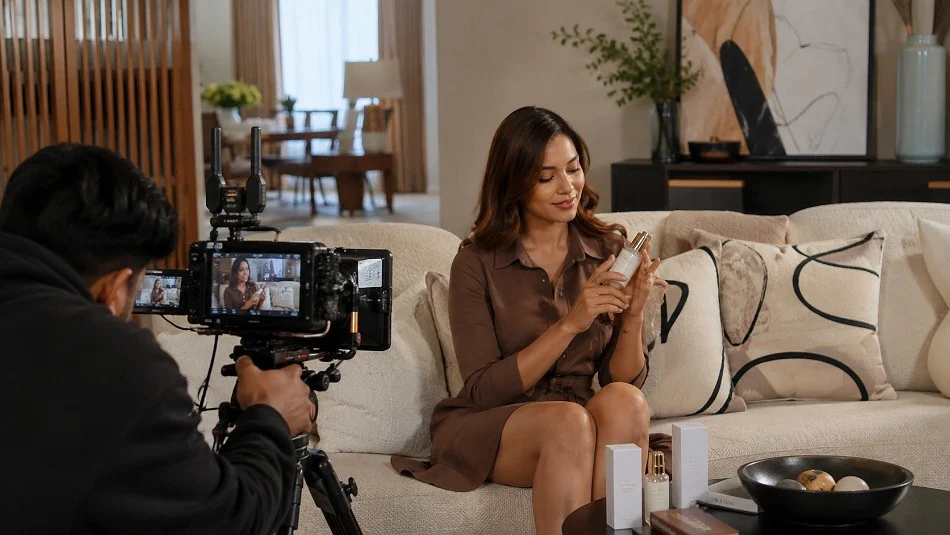
Strictly, user-generated content is made by real customers for free. In 2026 most brands use the phrase loosely for creator-style product video: paid creators filming selfie-angle unboxings, “get ready with me” try-ons, quick reviews and before/after demos. The look is deliberately informal, with handheld framing, natural room light, direct-to-camera talk and on-screen captions.
That informality is the point. On Instagram Reels and YouTube Shorts, a clip that looks like a friend’s story gets a second look, while a glossy ad gets skipped. This is why ugc style ads india searches keep growing among founders who sell beauty, wellness, kitchen and fashion products.
What makes a studio product video different?
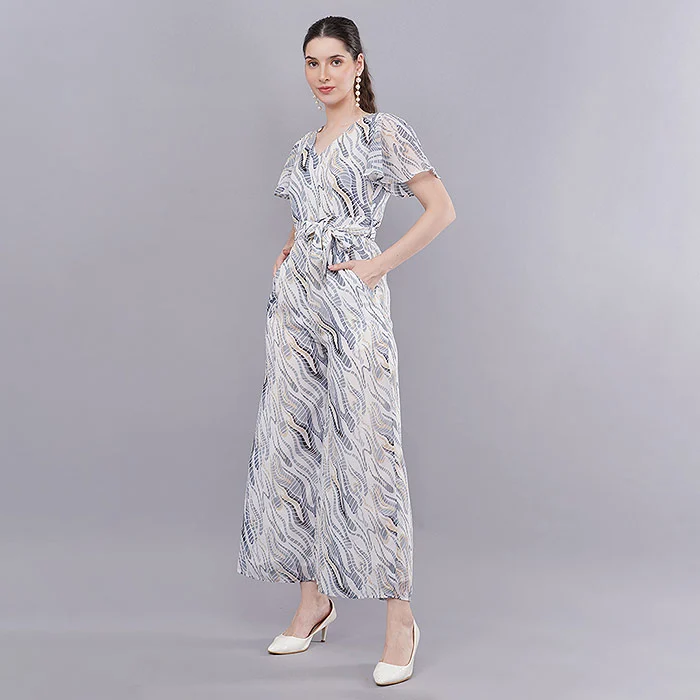
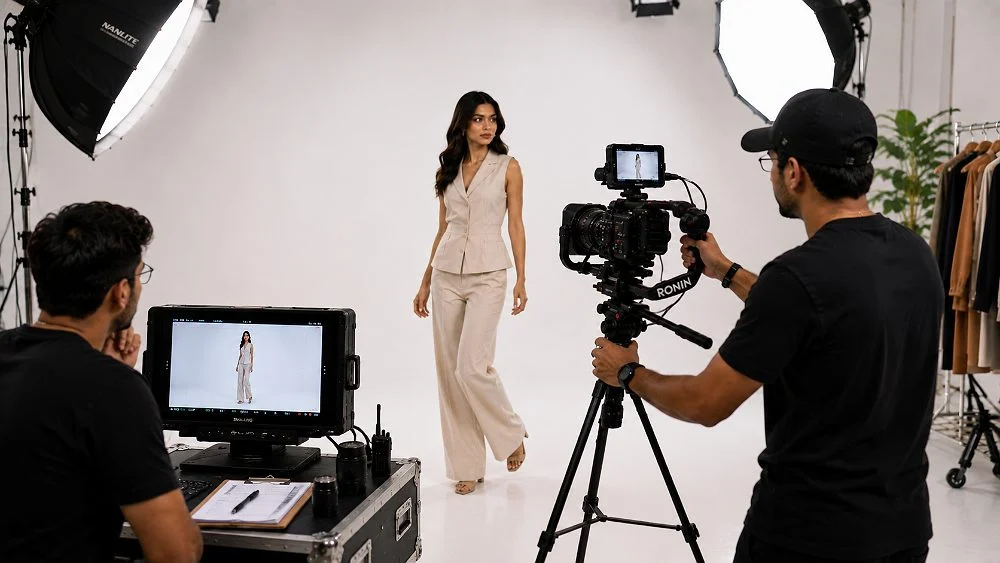
A studio product video is scripted around the questions a buyer has before paying. For a kurti, that means a slow turn, a walk, a close-up of the print and the neckline, and the fabric moving in light. For a serum, it means the bottle, the dropper, the texture and the finish on skin. Every angle is lit to show true colour, which is exactly what reduces “looks different from the picture” returns.
Because the set, lights and framing stay the same, a studio shoot also gives you consistency across 20 or 200 SKUs. That matters a lot on a marketplace listing video, where your product sits next to competitors and buyers compare frame by frame.
UGC video vs studio product video: how do they compare side by side?
The two formats differ most in purpose, control and where they perform. UGC-style video is faster and cheaper per clip and better at hooks; studio video is more accurate, more consistent and better at answering purchase questions. The table below puts the seven differences that matter in one place.
| Difference | UGC-style video | Studio product video |
|---|---|---|
| 1. Main job | Stop the scroll, build peer trust | Show the product accurately, answer doubts |
| 2. Best placement | Reels, Shorts, Meta and YouTube ads | Marketplace listings, product pages, A+ and brand store |
| 3. Colour and detail accuracy | Varies with phone and room light | Controlled light, true colour, sharp texture |
| 4. Consistency across SKUs | Low, every creator looks different | High, same set, framing and grade |
| 5. Shelf life | Short, ad fatigue in weeks | Long, stays on the listing for the product’s life |
| 6. Control and compliance | Script drift, disclosure needed for paid posts | Brand controls every claim and frame |
| 7. Reuse | Mostly one channel | Cut into reels, GIFs, stills and ads |
Read the table as a job description, not a scoreboard. If you hire a studio video to do a creator’s job, it will feel stiff in a feed. If you hire a creator clip to do a listing’s job, buyers will still not know how the fabric drapes or whether the shade matches their skin.
Which sells more: UGC video or studio product video?
For most D2C and marketplace brands, UGC-style video drives more clicks at the top of the funnel, while a studio product video drives more conversions on the product page. So the honest answer to “which sells more” is: the one that matches the placement. Brands that use both in the right places almost always beat brands that bet on one.
Where does UGC-style video win?
Creator-style clips win where attention is the scarce resource: cold audiences on paid social, launch teasers, and categories where a face and a voice explain the benefit faster than any frame can. Think skincare routines, kitchen gadgets, hair tools and supplements. In these spots, product video conversion starts with the first two seconds, and a relatable person talking to camera is hard to beat.
- Testing many hooks quickly on Meta or YouTube ads.
- Explaining a routine or “how I use it” demo.
- Social proof for new brands without many reviews yet.
Where does a studio product video win?
Studio footage wins once the buyer is already interested and is deciding. On a listing, they want to see the real colour, how a garment falls, how a bag opens, how an earring catches light. A studio video answers those questions in 20 to 30 seconds without the creator’s personality getting in the way, which is why the ugc video vs studio product video decision usually flips the moment the viewer lands on your product page.
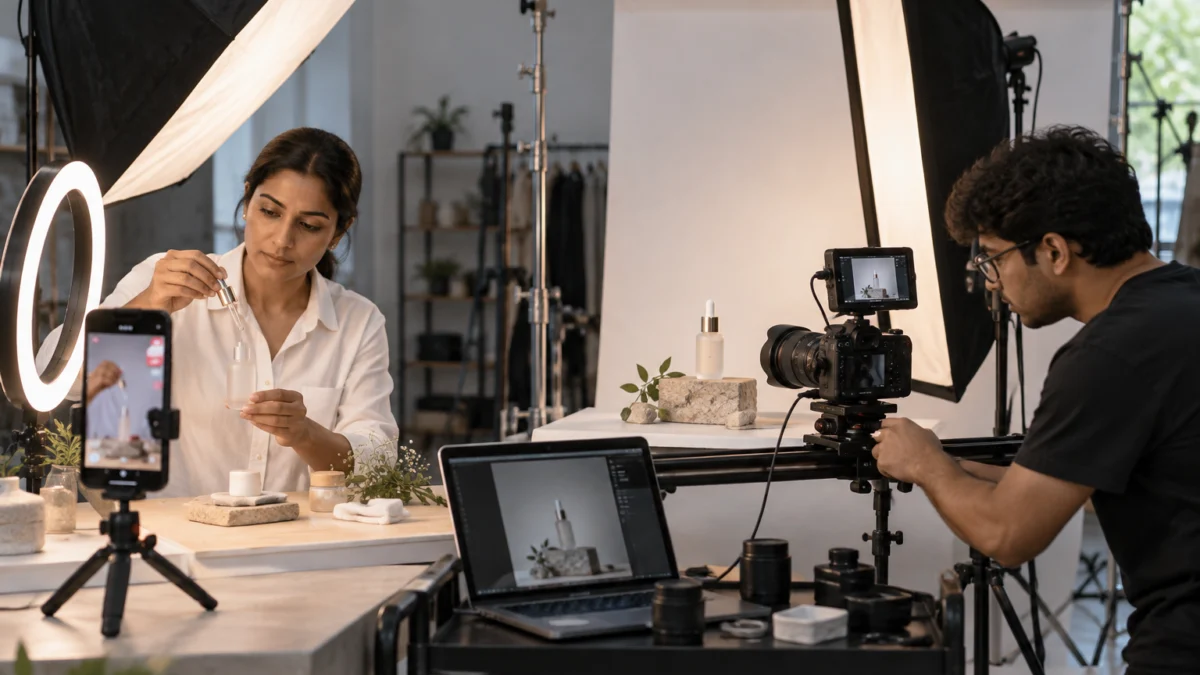
Watch how the serum video above spends its seconds: bottle, dropper, texture, finish. There is no talking, yet every frame answers a buyer question. Now imagine the same product in a creator’s bathroom mirror. It might get more views, but it would not show the texture this clearly.

Which video format works best on Amazon, Myntra and Meesho listings?
On marketplace listings, a clean studio product video usually works best because buyers compare products side by side and want accuracy. Creator-style clips can still help, but mainly as secondary videos or in ads that send traffic to the listing. Always follow each marketplace’s current video specifications before uploading.
On Amazon, product videos sit in the image gallery and in brand content, so they need to look as clean as your main images; you can check the latest seller-side guidance on Amazon’s seller portal for India. On Myntra, fashion buyers judge fit and fall, so a model walking and turning on a white set is far more useful than a selfie try-on. On Meesho, where most buyers shop on mobile, short and well-lit footage that shows the product clearly in the first seconds matters most.
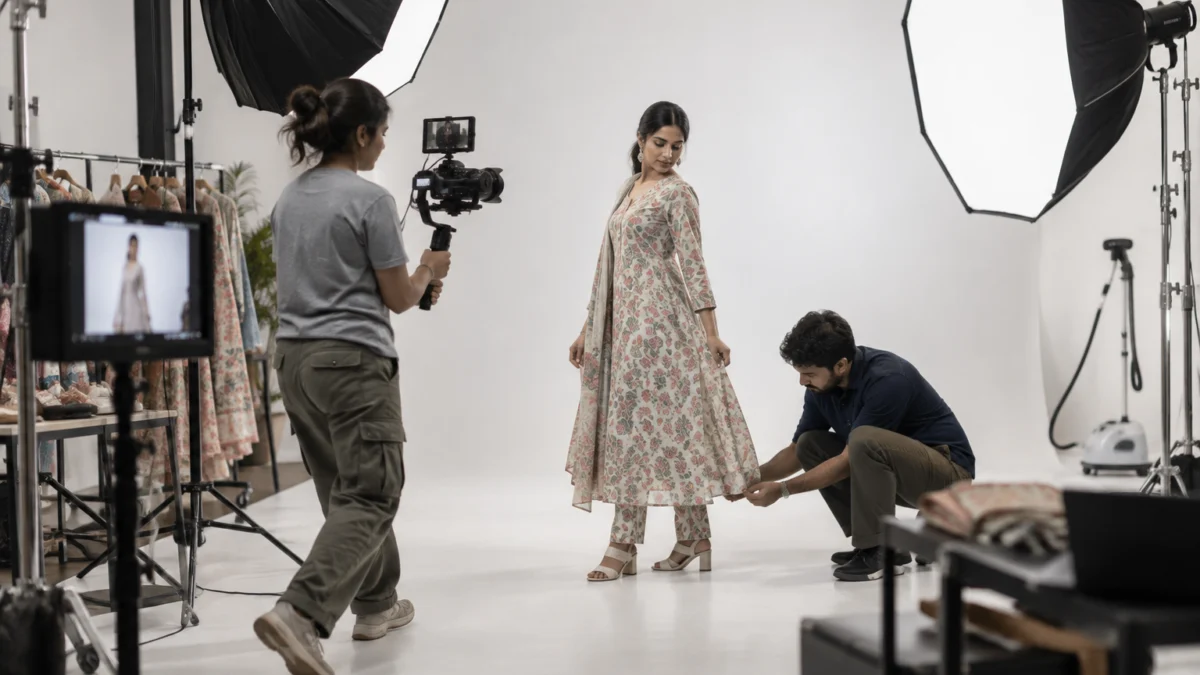
For apparel, the smartest move is to shoot the video on the same day as your on-model fashion photography, with the same model, styling and light. The stills and the clip then match perfectly in the gallery, and buyers trust what they see.
How much do UGC and studio product videos cost in 2026-2027?
Creator fees for UGC-style video vary widely by follower count, usage rights and number of revisions, so compare quotes carefully and always confirm usage rights in writing. Studio product video is priced per product or garment, which makes it easier to budget across a catalogue. The table below shows Uniqs Studio’s current rates for the formats most brands combine.
| Shoot type | Images | Turnaround | Price |
|---|---|---|---|
| Ecommerce Reels Video | 20–25 seconds | 4–5 days | ₹900 / product |
| Garment Video with Model | 25–30 seconds | 4–5 days | ₹1,200 / garment |
| Model Photography | 5–6 angles | 4–5 days | ₹400 / product |
| Flat lay | 2–3 angles | 6 days | ₹290 / product |
Prices are per product/image as listed; call or WhatsApp +91-8076745824 for bulk catalogue quotes.
Want a quote for your catalogue? Call +91-8076745824 or send your SKU list on WhatsApp at +91-8076745824, and the team will suggest the right mix of reels and model videos.
When you compare budgets, look at cost per usable asset, not cost per clip. A creator clip may be one asset for one channel for a few weeks. A studio session can give you a listing video, two or three vertical reels, GIF loops and stills from the same setup, which is the idea behind our guide on getting multiple assets from one reels shoot.
How do you build a hybrid UGC and studio video plan in one shoot?
Plan the studio hero footage first, then add a short creator-style block at the end of the same session using the same products and model. This gives you accurate listing videos and native-feeling social clips without paying for two separate productions. The six steps below are the order we follow on set.
- List the buyer questions for each product: fit, fabric, size, texture, finish, how it is used.
- Shoot the studio hero first: white or neutral set, controlled light, slow turns, detail close-ups.
- Capture stills from the same setup so gallery images and video match in colour.
- Switch to a creator-style block: vertical phone or handheld camera, natural room corner, talk-to-camera hooks.
- Record three or four hook variations per hero product so your ads team can test openings.
- Edit two versions: a clean listing cut with no text claims, and social cuts with captions and music.
The hybrid model works especially well for apparel because the model is already styled. Our guide to product video with a model explains how to brief the talent so both blocks feel natural. If you want to see the full shot order, our comparison of AI video makers and a professional studio also covers where automated tools fit in.
What mistakes do brands make when choosing UGC or studio video?
The biggest mistake is using one format for every placement. The second is chasing “authentic” footage that shows the wrong colour, wrong size or exaggerated claims, which drives returns. Most of these mistakes are planning problems, not budget problems.
- Uploading creator clips as the only listing video. Buyers still cannot judge fabric, fit or shade.
- Using studio footage unedited in ads. Add a hook, captions and a vertical crop before it goes to social.
- Not disclosing paid creator posts. India’s advertising self-regulator publishes guidelines for influencer advertising; review them on the Advertising Standards Council of India website.
- Letting creators make product claims you cannot prove, especially in beauty and wellness.
- Skipping usage rights. Confirm whether you can run a creator’s clip as a paid ad and for how long.
- Ignoring colour accuracy. Phone white balance in a warm room can shift a shade enough to trigger returns.
What has Uniqs Studio learnt from shooting both formats?
After 9+ years of ecommerce production and work with 500+ D2C brands and marketplace sellers, our clearest lesson is that the product decides the format mix. Products that need explanation lean towards creator-style hooks; products that need accuracy lean towards studio footage. Almost every brand needs some of both.
Satyam often tells founders: “Your ad earns the click, your listing earns the order.” When a brand comes to Uniqs Studio with only creator videos, the usual gap is on the product page, where buyers want a calm, accurate look at the item. When a brand comes with only studio footage, the gap is in ads, where the clip needs a human hook in the first seconds.
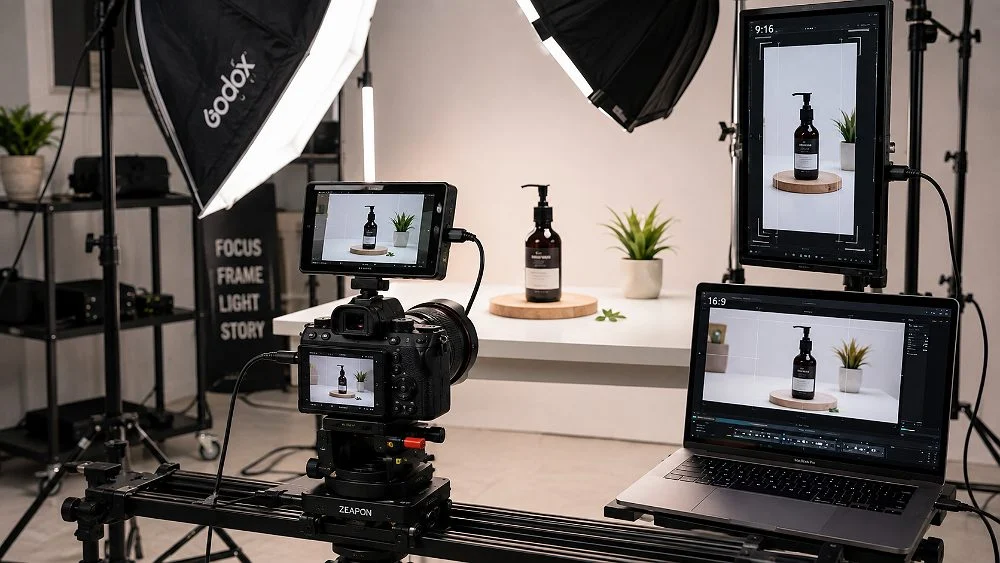
The studio setups we use for this are deliberately flexible: strip softboxes and an octabox for clean fashion light, a slider or gimbal for movement, and a tethered laptop so the brand can approve frames live. Swapping to a creator corner with a phone rig takes minutes, which is why a creator style product video block fits easily into the same booking.
How do you decide between UGC video and studio product video for your brand?
Start from where the video will live and what the viewer needs at that moment. If the goal is reach and testing hooks, lead with UGC-style video. If the goal is conversion on a listing, lead with studio product video, and if you have both goals, plan a hybrid shoot.
| Your situation | Lead with | Why |
|---|---|---|
| New listing on Amazon or Myntra | Studio product video | Accuracy and consistency beside competitors |
| Cold-audience Meta or YouTube ads | UGC-style video | Native look, faster hook testing |
| Apparel catalogue of 50+ SKUs | Studio product video | Same set and model keep the range uniform |
| Beauty or wellness launch | Hybrid | Texture shots for listings, routines for social |
| Limited budget, one hero product | Hybrid in one session | One booking, both kinds of assets |
A quick gut-check for the ugc vs professional video choice: if a buyer muted the video and watched it on a small phone screen, would they know exactly what they are getting? If yes, the clip can go on the listing. If not, keep it for ads and shoot a proper studio product video for the page.
Implementation checklist: what should you prepare before your next video shoot?
Prepare the products, the placements and the claims before anyone switches on a camera. A clear brief saves more money than any discount. Use this checklist whether you are briefing a creator, a studio or both.
- Final, steamed and labelled samples for every SKU and colour.
- A list of placements: listing, brand store, Reels, Shorts, Meta ads.
- Aspect ratios for each placement (16:9, 1:1, 9:16).
- Three to five buyer questions per product the video must answer.
- Approved product claims only, with proof for anything technical.
- Hook lines for creator-style clips, written in your brand voice.
- Usage rights and disclosure terms agreed with any creator.
- Marketplace video specs checked on the day you upload.
What video trends will shape D2C selling in 2026-2027?
Expect more short vertical video on marketplace listings, more shoppable video inside social apps, and more brands mixing studio and creator footage in one campaign. Trust signals like accurate colour and clear disclosure will matter more, not less.
- Vertical-first listings: 9:16 clips are becoming normal on mobile product pages, not just on social.
- Studio-made “creator look”: brands shoot UGC-style scenes with studio control to keep colour accurate.
- AI-assisted editing, real footage: automated cut-downs and captions, but real products on real people.
- Stricter claim checks: platforms and regulators paying closer attention to influencer claims.
Frequently asked questions about UGC video vs studio product video
These are the questions founders and marketplace sellers ask us most often while planning their video budget. Tap a question to see the answer.
Is UGC video better than studio product video?
Not in every case. In the ugc video vs studio product video debate, UGC-style clips usually win attention in ads and social feeds, while studio product video usually wins conversions on listings and product pages. Most brands do best with both.
Can I use UGC-style video on my Amazon or Myntra listing?
You can, if it meets the marketplace’s current video rules and shows the product accurately. For fashion and beauty, keep a clean studio video as the main listing video and use creator clips as secondary content or in ads.
How much does a studio product video cost at Uniqs Studio?
An Ecommerce Reels Video of 20–25 seconds is ₹900 per product and a Garment Video with Model of 25–30 seconds is ₹1,200 per garment, each with a 4–5 day turnaround. Call or WhatsApp +91-8076745824 for bulk quotes.
Do paid creator videos need a disclosure in India?
Yes. India’s advertising guidelines for influencers expect paid or gifted promotions to be clearly disclosed, for example with a label such as “ad” or “paid partnership”. Check the latest ASCI guidance before running creator content.
Can one shoot give me both studio and UGC-style videos?
Yes. Shoot the studio hero footage first, then add a short creator-style block with a phone rig or handheld camera using the same model and products. You get listing videos and social clips from one booking.
Which products need studio video the most?
Products where colour, texture or fit decide the purchase: apparel, ethnic wear, jewellery, cosmetics and bags. For these, accurate studio footage reduces doubt and helps limit “not as shown” returns.
What is your next step after choosing a video format?
Once you know which placements need which format, turn that into a shot list. A good shot list is what makes a hybrid shoot fast, affordable and consistent across your catalogue.
Your next step is to plan the actual frames: read our ecommerce videoshoot shot list and format guide, mark the shots you need for listings and the hooks you need for ads, and bring that list to your shoot. If you would rather plan it together, the Uniqs Studio team in Kalkaji, New Delhi can help; you can also reach the studio through the contact page.
Plan your studio + creator-style video shoot
Call Satyam on +91-8076745824, WhatsApp +91-8076745824 or email [email protected]. Mon–Sat, 10 am–7 pm. Shoots in Delhi, Gurgaon, Noida, Faridabad and Ghaziabad.
Related reads coming soon
Upcoming guides from Uniqs Studio on product video planning:
- How to Brief a Creator for UGC-Style Product Videos Without Losing Colour Accuracy
- Product Video Hooks: 10 Opening Shots That Work for Indian D2C Ads
- Vertical vs Horizontal Product Video: Which Aspect Ratio Fits Each Channel
- How to Repurpose One Studio Video Shoot Into a Month of Reels